






Into Film Clubs
Find out everything you need to know about starting an Into Film Club.


Four new children's book adaptations and ten short documentaries on the history of cinema are now available to watch for free* on streaming service for schools Into Film+, thanks to our partnerships with the BBC and ERA (the Educational Recording Agency).
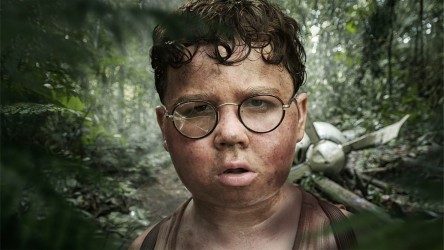
These titles have been carefully selected to support educational engagement, from early Literacy through adaptations of Julia Donaldson's beloved stories The Gruffalo, Room on the Broom, and most recently The Scarecrows' Wedding, to GCSE English with the new and acclaimed BBC adaptation of Lord of the Flies, as well as film qualifications, with documentaries focusing on different genres and filmmaking led by film critics Mark Kermode and Ali Plumb.
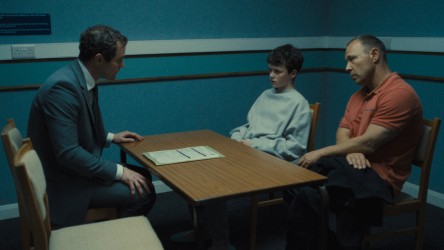
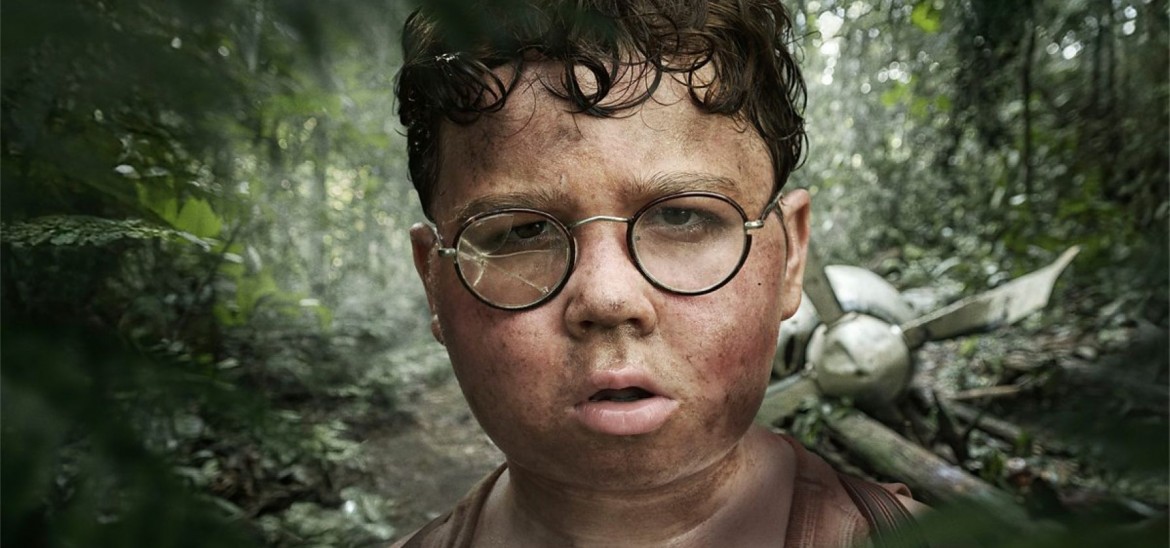
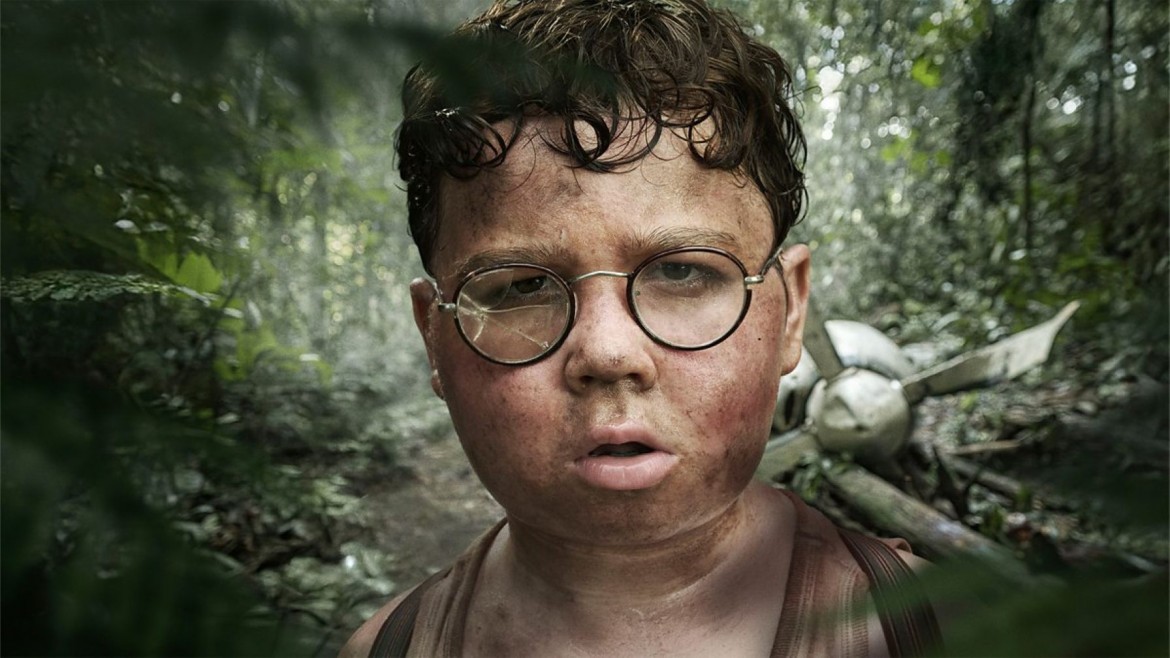
This BBC series, adapted by Adolescence screenwriter Jack Thorne, is the first ever TV adaptation on William Golding's 1954 classic The Lord of the Flies, which features across many GCSE English Literature exam board specifications including AQA, Edexcel, CCEA, Eduqas, and WJEC. After a plane crash leaves a group of schoolboys stranded on a tropical island, they try to work together to survive using reason and defined roles. But when one by one the boys abandon responsibility for hunting and fun, their fragile civilisation collapses, and a battle for power turns into a dangerous conflict. With each of the four one-hour episodes focusing on a different character, the series powerfully explores human nature, loss of innocence and the pressures of youthful masculinity. There is even a behind-the-scenes documentary episode that explores what it was like for the young actors and crew to work on location for this production.
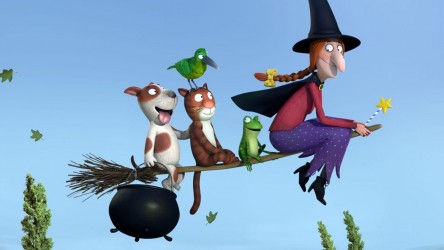
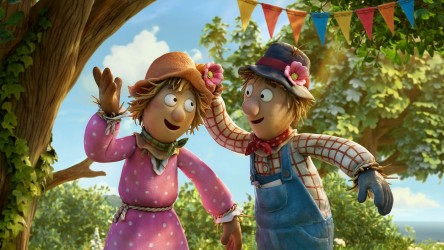
Three adaptations of the beloved picture books written by Julia Donaldson and illustrated by Axel Scheffler are now available to stream in the classroom on Into Film+. The Gruffalo follows a little mouse who outsmarts his predators with tall tales about a scary beast. Room on the Broom sees a witch invite a surprising collection of animals to join her on her broom. And in The Scarecrows' Wedding, two devoted scarecrows plan a wedding to remember on a farm. Faithfully adapted by BAFTA winning British independent production company Magic Light Pictures, these short animations are gentle, charming and engaging, encouraging literacy skills with their nursey rhyme-like narration.
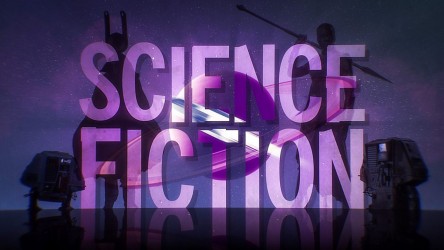
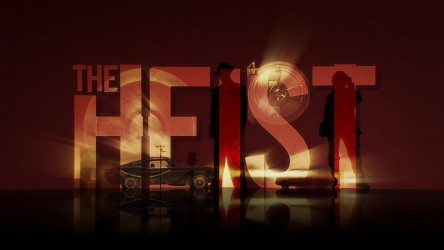
Further to the previously added Inside Cinema and Black Hollywood series, we are pleased to expand our catalogue with more short episodes and documentaries that support GCSE and A Level Film Studies and Moving Image Arts, presented by leading contemporary film critics. Mark Kermode's Secrets of Cinema delves into the history and tropes of different film genres including coming of age, science fiction, and heist movies. And, in the spirit of film awards season, Kermode also looks back at previous Best Picture winners at the Oscars. In another deep dive into film history, the mini-series The Film Fan's Guide to... sees film critic Ali Plumb travelling to different UK cities and regions to highlight the films that were shot there. The eight-minute episodes explore iconic filming locations in Liverpool, Sussex, Durham, Surrey, Glasgow and Norfolk. Many of the cited films are also available to watch in full on Into Film+.
Please note: Film is a powerful tool for learning, helping to develop critical thinking, empathy, and an understanding of different perspectives. Our films have been selected with consideration to age-appropriateness, safeguarding, the curriculum and statutory and non-statutory guidance to schools. Some of our films and resources include sensitive content which is highlighted in the guidance that Into Film provides with each film. Educators should carefully watch or read all elements of any content and must ensure they are following their own school's policies and guidelines prior to using films and resources in the classroom or in after-school clubs. The final decision to use any film or resource sits with teachers, who should decide what is appropriate for their students using their professional judgement and their knowledge of their students, their school context and their community. Teachers must follow their school's safeguarding protocol if a student is distressed or makes a disclosure as a result of the use of any film or other content.
To access Into Film+, all you'll need is an Into Film Account - it's completely free, and only takes a moment to set up. Into Film+ is free to use for all UK state schools that hold a valid Public Video Screening (PVS) Licence from Filmbankmedia.
Filmbankmedia PVS Licences are paid for on behalf of schools by all local authorities in England and by some local authorities in both Wales and Scotland. Into Film NI cover the license cost for some schools in Northern Ireland. For further information on licensing in your locality please see our FAQs.
These documentaries are licenced via the Educational Recording Agency (ERA) and require an ERA Licence to be viewed. The vast majority of educational establishments in the UK are already covered by an ERA Licence. You can check the ERA Licence status of your organisation here.
ERA are an organisation that support the education sector by making it easy for schools, colleges and universities to harness the power of audio-visual broadcast materials for non-commercial, educational purposes.
* Screenings for an entertainment or extra-curricular purpose require a PVS (Public Video Screening) Licence from Filmbankmedia. State-funded schools in England are covered by the PVS Licence.
The core Into Film programme is free for UK state schools, colleges and other youth settings, thanks to support from the BFI, awarding National Lottery good cause funding, and through other key funders including Cinema First and Northern Ireland Screen.
Find out all about the Into Film+ streaming platform, and check out the latest films added and available to stream.
View other Articles in this columnViewing 4 of 4 related items.
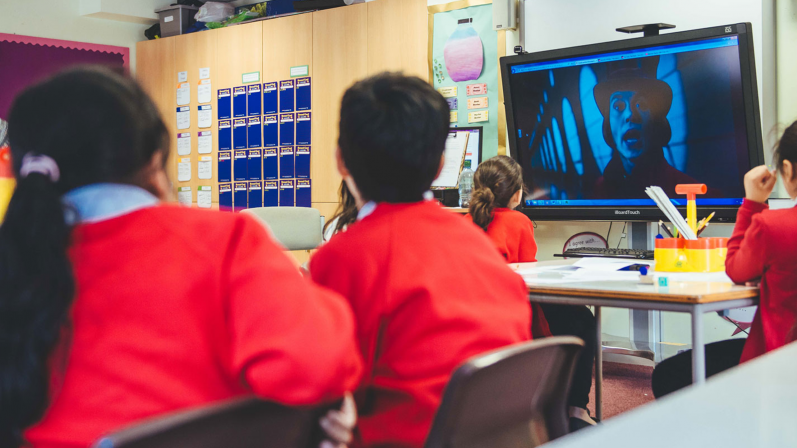
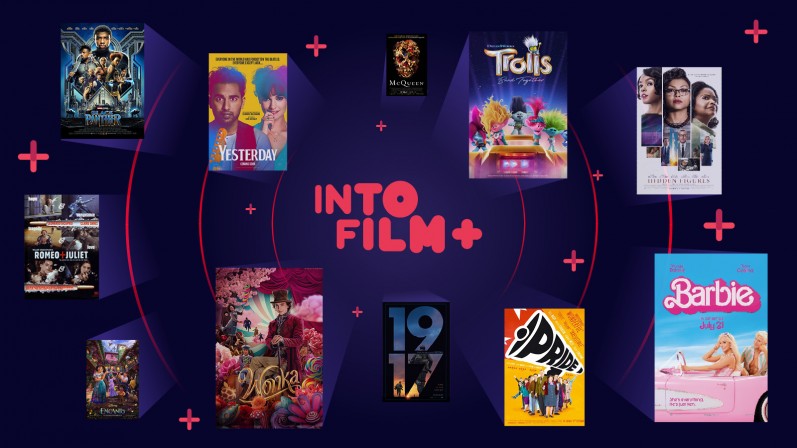
Find out more about our streaming service, designed specifically for UK schools.