

Into Film Clubs
Find out everything you need to know about starting an Into Film Club.


We are thrilled to announce that Into Film has recently added seven short films to Into Film+, our free* streaming service for schools. These films feature on the Cambridge OCR A-Level Film Studies syllabus, giving both teachers and learners access to key set texts, supporting close analysis of narrative, genre, representation and film form. Available to stream together in one place for the first time, teachers should also keep an eye out for the free resources that we will be developing alongside these films to aid in classroom discussion.
Discover the full list of short and feature length films on this syllabus that are currently available to stream on Into Film+ and Into Film+ Premium here.
Each of the films below are intended for a 15+ audience and some deal with intense and complicated themes that, whilst making them ideal for rich conversation and analysis, also means they may require appropriate context before screening. We recommend reading through each film's synopsis to get a clear idea of the stories being told.
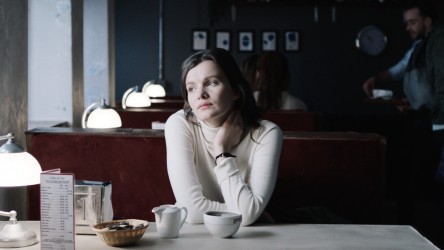
An intimate short drama that follows Anna, a young pregnant woman sitting alone in a café, nervously waiting for her former lover to arrive. As she sips her coffee and watches the minutes tick by, Anna's mind spirals through an internal struggle about the life-changing news she is about to share. Battling doubts, fears, and hopes about whether to keep the baby, she imagines different futures, visualises what her child might be like, and confronts her own feelings about love, responsibility, and independence.
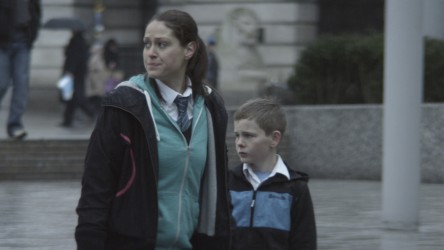
17-year-old Caroline receives a phone call whilst out in public, telling her that her father has been involved in a serious motorcycle accident. Visibly distressed, her intense reaction draws a crowd who are unsure of how to help - but as the film unfolds, we are left questioning the reality of her situation and whether she is truly grieving at all. An excitingly ambiguous film about loss that directs the audience to explore their own relationship with deception whilst also asking them to consider their personal relationship with ethics and empathy.
As two friends sit down to enjoy a hearty meal in a kebab shop, one of them tells the other a shocking story about a stabbing that occurred just round the corner. As the tale gets more intense, eventually ending up in the very same restaurant that they are sitting in together, the shocking conclusion leaves one of the friends feeling more than a little queasy. Blending dark humour with building tension, this short film explores the ease at which urban legends can spread before leaving the audience questioning what really happened.
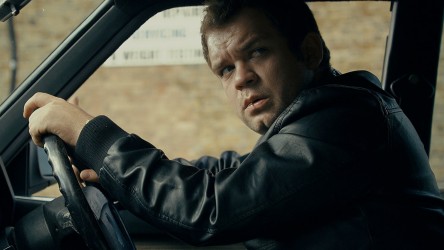
A man waits in his car outside a bank on a hot, sunny day. He is a getaway driver, primed to speed away as soon as his bank robbing crew returns with a hoard of stolen money. However, the man is anxious, paranoid and on the very edge - a situation that is only worsened when a tiny, buzzing fly decides to join him in his vehicle. A nerve-shredding dark comedy that utilises its single-location and cramped space to be as creative as possible, leading to an unexpected punchline.
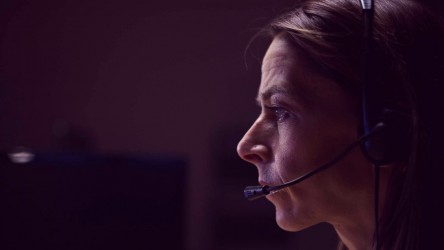
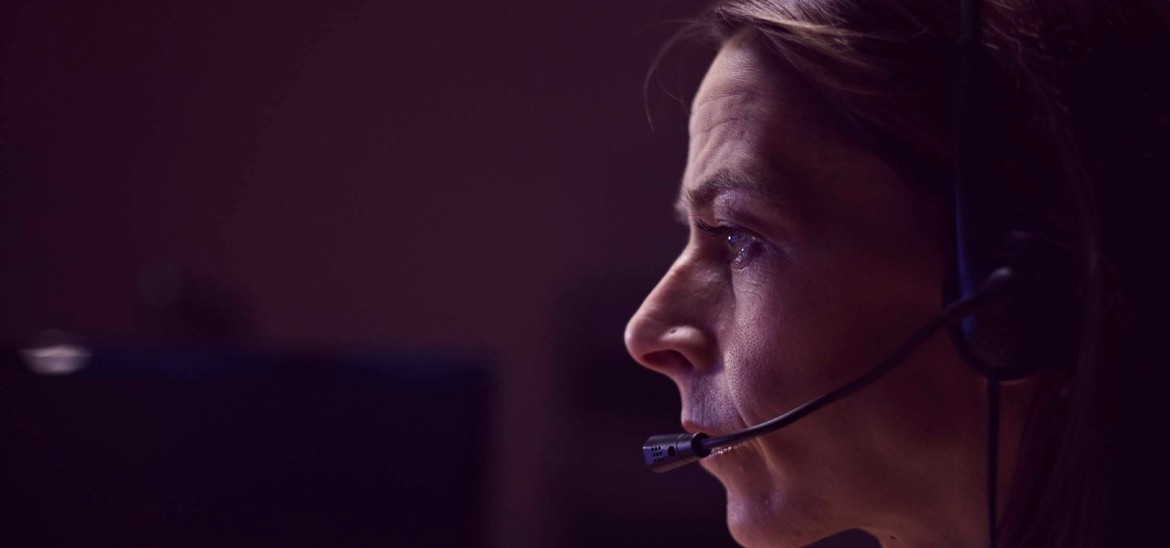
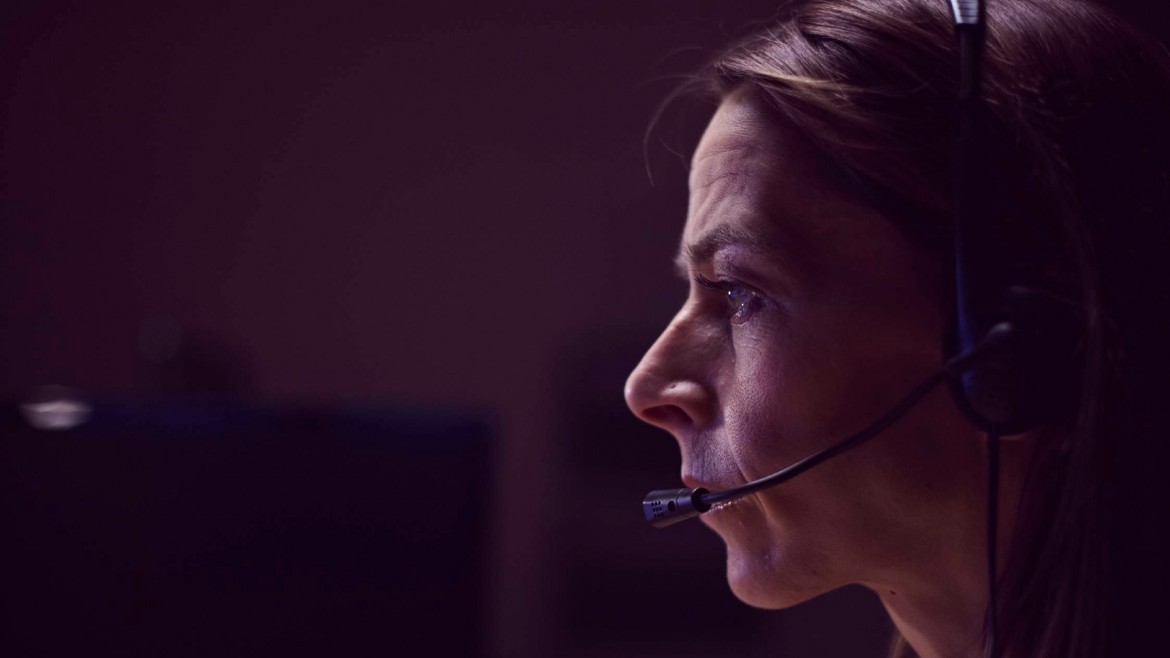
Told entirely from the perspective of a 999 call-centre operator as she must guide a terrified mother and her child to safety through a life-threatening fire, this short film explores how tension and emotional stakes are constructed through voice, sound design, and off-screen space. Utilising character perspective and real-time pacing, Operator is a tension-filled drama that demonstrates how cinema can generate suspense and character through absence rather than spectacle.
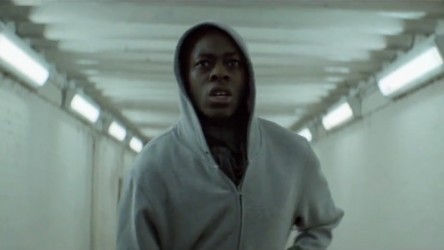
Based on a true story, this unconventional mystery unfolds through nine wide shots of a quiet suburban street in Britain where something has very clearly gone wrong. With various angles being used to relay information back to the audience, the film works backwards in time, revealing the story in small increments and inviting us to come up with our own ideas of what might have happened. At the film's conclusion, once the shocking truth has been revealed, we are asked to examine our own prejudices. A short film that requires patient examination, examining the risks that people take to promise themselves a better future.
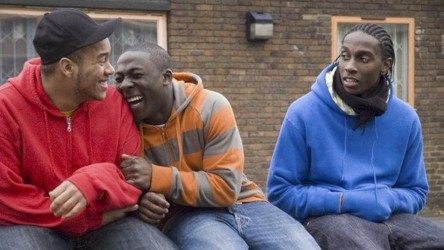
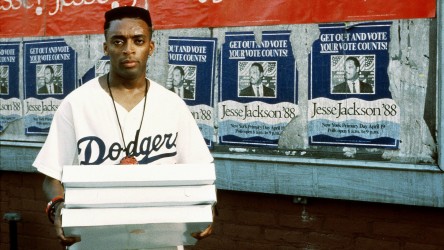
On a sunny afternoon in South London, three young men sit together on a street corner, people-watching and talking about whatever comes to mind. Topics include girls and fashion, with one passerby and his tight jeans inspiring a debate around how men present themselves through the clothes they wear. This slice-of-life comedic short addresses themes of youth culture, masculinity and identity through the quick-witted banter of three friends growing up in the urban landscape of Britain in the late 2000s.
Please note: Film is a powerful tool for learning, helping to develop critical thinking, empathy, and an understanding of different perspectives. Our films have been selected with consideration to age-appropriateness, safeguarding, the curriculum and statutory and non-statutory guidance to schools. Some of our films and resources include sensitive content which is highlighted in the guidance that Into Film provides with each film. Educators should carefully watch or read all elements of any content and must ensure they are following their own school's policies and guidelines prior to using films and resources in the classroom or in after-school clubs. The final decision to use any film or resource sits with teachers, who should decide what is appropriate for their students using their professional judgement and their knowledge of their students, their school context and their community. Teachers must follow their school's safeguarding protocol if a student is distressed or makes a disclosure as a result of the use of any film or other content.
* Screenings for an entertainment or extra-curricular purpose require a PVS (Public Video Screening) Licence from Filmbankmedia. State-funded schools in England are covered by the PVS Licence.
The core Into Film programme is free for UK state schools, colleges and other youth settings, thanks to support from the BFI, awarding National Lottery good cause funding, and through other key funders including Cinema First and Northern Ireland Screen.
Find out all about the Into Film+ streaming platform, and check out the latest films added and available to stream.
View other Articles in this columnViewing 4 of 4 related items.
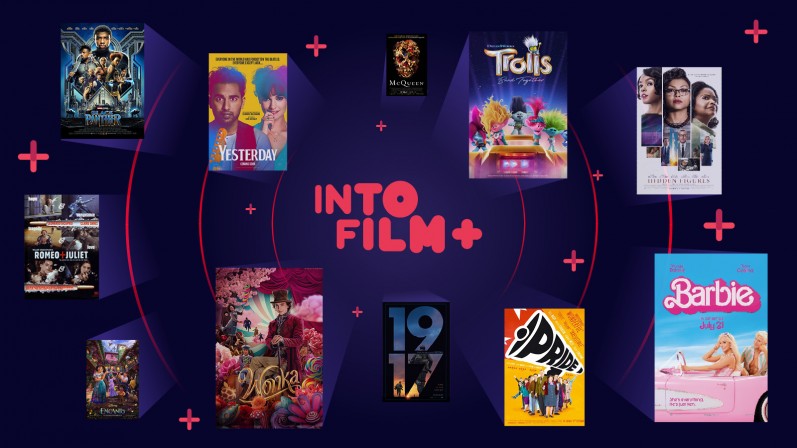
Find out more about our streaming service, designed specifically for UK schools.