



Into Film Clubs
Find out everything you need to know about starting an Into Film Club.


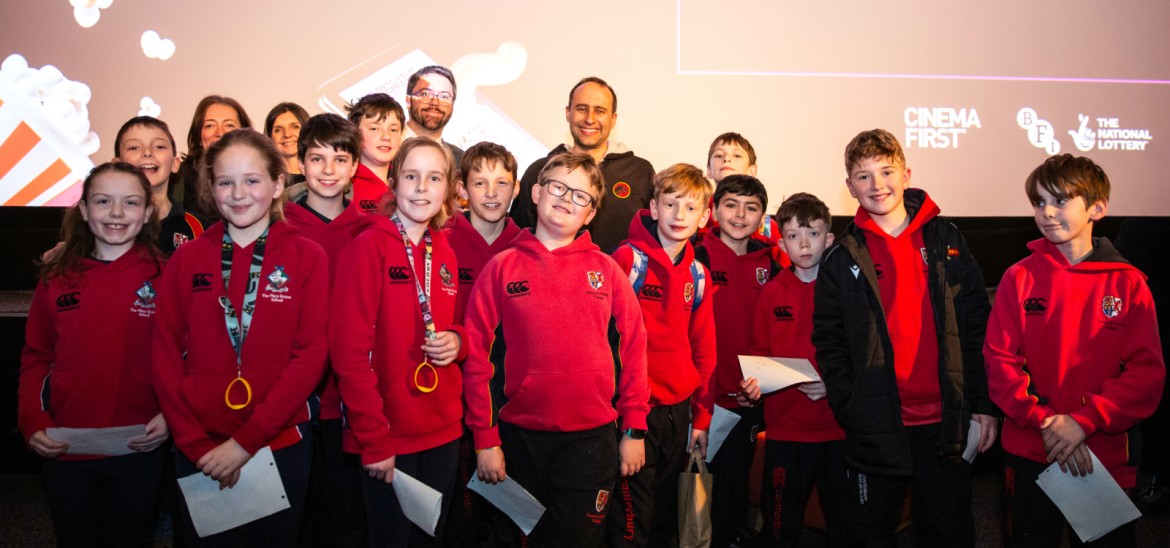
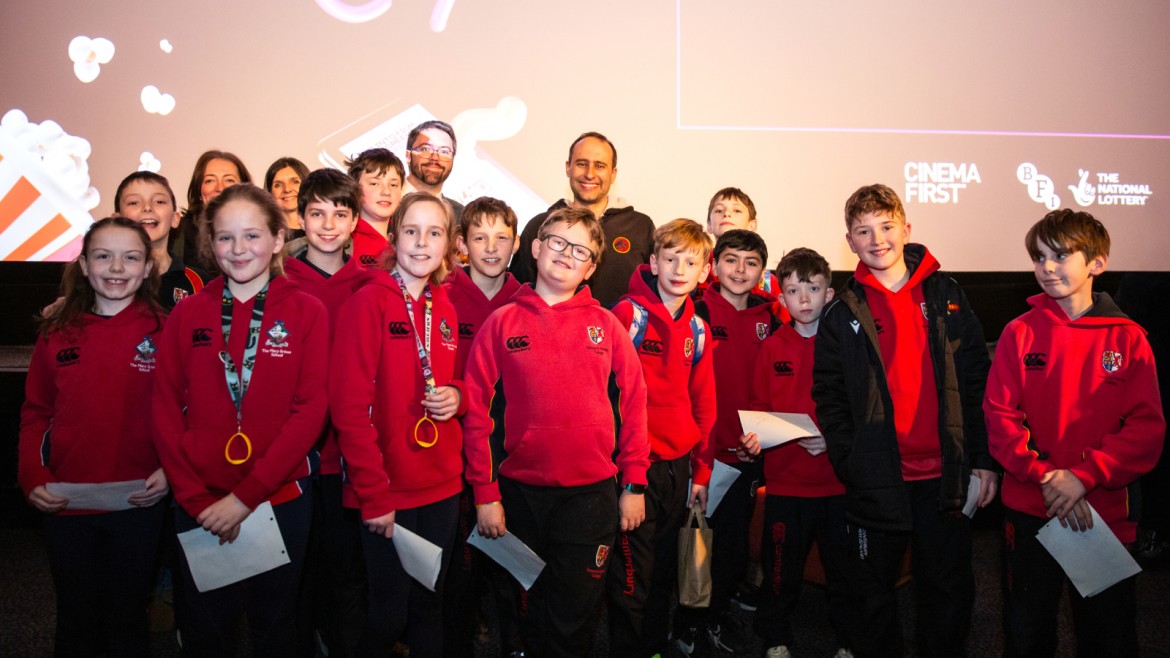
We were thrilled to host a record number of children and young people at our annual Spring Screenings programme this March, with a massive audience of 134,000 young people joining us across 391 cinemas, at 1,269 screenings. As ever, a huge thank you to our UK film industry partners who donate their cinemas, staff and films to make this annual event free to all UK educators and their learners.
The UK-wide, Spring Screenings programme featured an eclectic mix of film premieres, curriculum-linked screenings and careers events, helping young people enjoy the big screen experience at no cost. Highlights included pupil premieres of animated film,Arco; a screen industries careers day held at BAFTA HQ in London; screenings of How To Train Your Dragon with a special introduction from producer Adam Siegel; and an exclusive Jurassic World: Rebirth Q&A screening event with palaeontologist Steve Brusatt. One particularly special event saw director Edgar Wright join us for a Q&A session - find out more about that one below!
If you like the sound of events and experiences such as these and think your school or young people may want to get involved, then our annual Into Film Festival will return this November. Bookings are likely to go live in early September, so keep your eyes peeled for further details.
For many of our children, the coach ride and the cinema visits were a first - we serve the most deprived community in the UK, and such experiences are only typically available to a very small number of our pupils.
Simon Wood, Executive Headteacher at St Martin Frobisher Academy in Clacton-on-Sea
We were delighted to welcome writer/director Edgar Wright for a special film careers masterclass for film and media students at the start of this year's Spring Screenings programme.
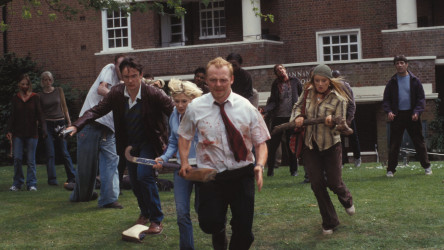
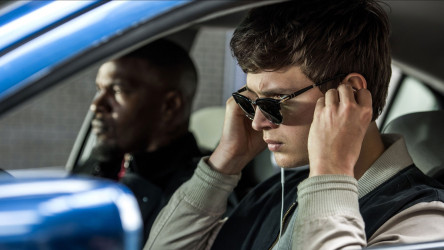
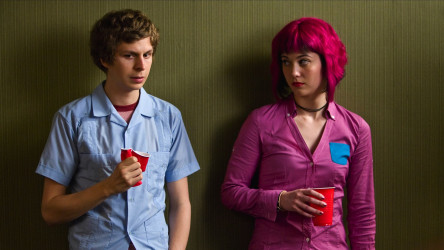
Known for his fast-paced and kinetic, satirical genre films, Wright's extensive body of work includes films such as Shaun of the Dead, Scott Pilgrim vs The World, Hot Fuzz and Baby Driver. We were thrilled to be able to screen his latest and most ambitious film yet, The Running Man, a sci-fi action thriller based on Stephen King's dystopian novel, which played to an excited crowd of sixth form students from across London.
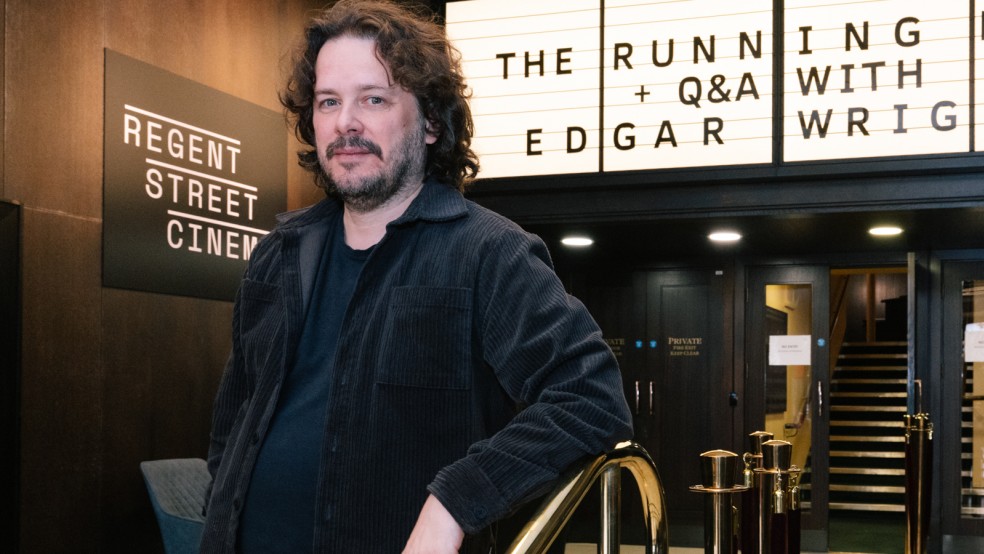
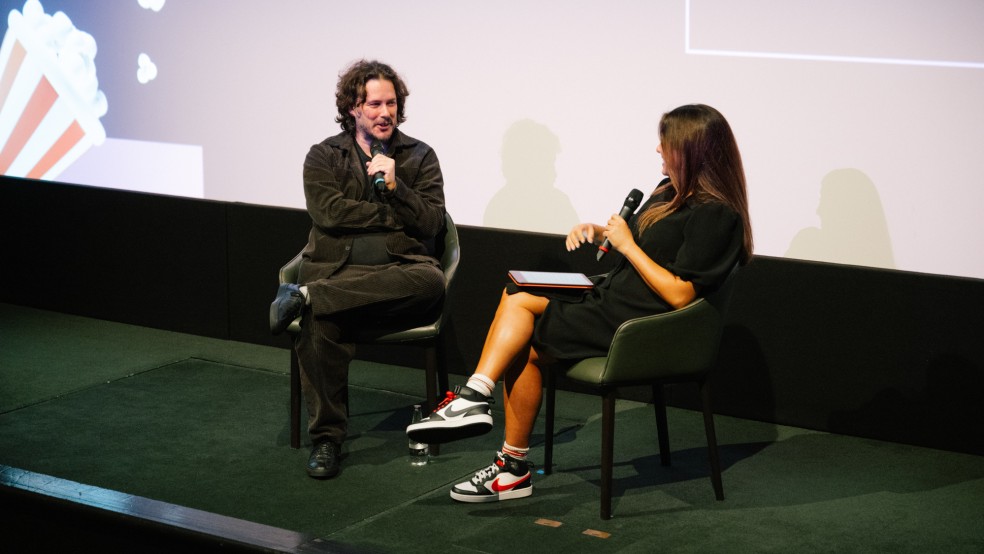
Film critic and broadcaster Rhianna Dhillon hosted the session at the Regent Street Cinema, noted as the oldest cinema in London - and among Wright's personal favourites. As well as Dhillon's questions, we were delighted to be able to open up the floor for the young people in the audience to ask Wright their own questions.
Dhillon: How was it adapting the film from the original Stephen King novel?
Wright: The reason I wanted to make it is because I read and loved the book when I was 12 or 13. It's been amazing to do this movie and to adapt one of your favourite authors. I had been in contact with King for a while, because as far back as Shaun of the Dead he had given us a press quote for the movie poster, which for me and Simon Pegg just blew our minds! He was very encouraging and basically left us to it, he loved the screenplay, he had a couple of thoughts and some notes on casting. Finally, I got to meet him just before the movie came out, so I flew to Maine and it was amazing. He's like myself, a complete nerd about music and film.
Dhillon: How did you make The Running Man relevant for today's audience?
Wright: The book was written in 1973 and the craziest thing about it, given that the film came out at the end of 2025, is that the book is actually set in 2025, and on the cover of the original book it says 'Welcome to the year 2025, where the best men don't run for president - they run for their lives!'.
The idea was to make an alternate 2025, almost an 1980s version, where some things have become more advanced and some things have regressed. We would say it's 5 minutes into the future.
Dhillon: Music has always played a big part in all your films. What did you want the sound and the score in The Running Man to be?
Wright: Unlike Baby Driver and Last Night in Soho, there's less existing music in this one. Usually, the music is thematic to the spirit of the script. Steve Price, the Composer, who I've worked with four times now, has done what Ennio Morricone used to do with Sergio Leone, and that is to read the script and start writing music which is based on the script. So, some of the cues in the film we could play-in on set. It needs to a be a scene without dialogue, but it's good as a mood set, so sometimes allows the actors to walk in time with the score.
Dhillon: As a director, where do you notice the changes when having a bigger budget?
Wright: There's no real difference on the shooting day, because everything's always a challenge when you're shooting, whether with a big or smaller budget. The difference is you may have more time to shoot it, and the amount of locations in the movie. There were 185 separate locations in The Running Man, so some days you're doing six a day, and you start to feel like you're on the game show itself, running around trying to get everything. You have to go into a shoot with something that scares you.
Dhillon: What's your favourite part of the filmmaking process?
Wright: I think it's probably the post-production. Every part of it is creative. Writing is only fun when it's going great, i.e. 5% of the time! It's usually really tough. Every element of the production is challenging, physically and mentally. In post-production you start to see the scenes come together and when you're really proud of a sequence, the first time you see it come together is in the edit. That's the fun bit.
Dhillon: Tell us about your producing partner collaborations?
Wright: Nira Park I've worked with since the TV show Spaced, Leo Thompson I've worked with for nearly 20 years. All three of us would say that the key to making films is delegating and transparency and working with a crew. The joy is working with other people and getting their input as well. I love working with a crew because you have to rely on them as much as them relying on you. It's a team effort.
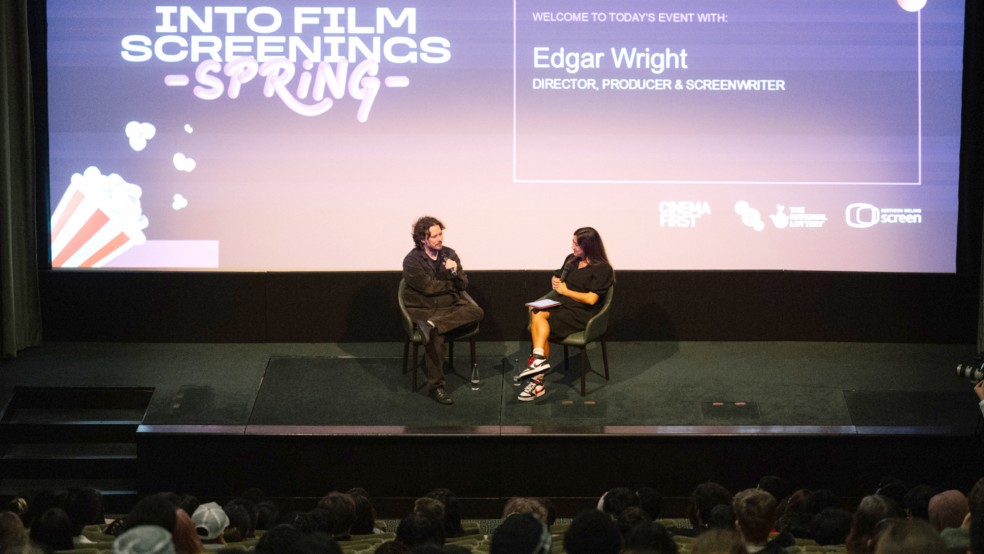
Young person's question: How do you deal with ‘writers block'?
Wright: Do something that's tangentially related to what you're doing, i.e. read a book, watch a film, go to a museum, inspire yourself. What better excuse to watch more movies.
Young person's question: What do you want audiences to take away from The Running Man?
Wright: I hope the same feelings that I had when I first read the book: that it's exciting and tense, but will also make you think about the world you're living in.
Young person's question: Whet were the challenges you faced coming from the UK and shooting in the US?
Wright: My co-writer, Michael Bacall, is American, and it helps that I've been to the key locations in the film. I'm very conscious of this as well, and work hard to ensure it looks and feels authentic.
Young person's question: Can you tell us more about the music in your films.
Wright: It's a big part of it for me, I think in movement and rhythm. I love working with choreographers, not just on dance, but on movement. It's the way that I think. One of my favourite films is The Good, the Bad and the Ugly. For your first film, don't use music that you can't afford. You can do a cheap score pretty easily.
Young person's question: Do you have to make a lot of compromises co-writing a script?
Wright: Usually, the joy of co-writing is finding a like-mind, a shared sensibility. I've been really lucky over the years, writing with people like Joe Cornish, Simon Pegg or Michael Bacall, who also wrote Scott Pilgrim. It's not always easy, but part of co-writing is wanting and being able to be stuck in a room with them for a long time.
Young person's question: Did you take any inspiration from the 1980s version of the film?
Wright: The whole inspiration for the film was to authentically remake the book, but there are a couple of nods to the 80s film. We kept the cheerleaders in and decided to put Arnold Schwarzenegger's face on the money, as President Schwarzenegger.
Young person's question: What advice would you give to young people to get their films funded?
Wright: Before you meet with anyone, put together a 'Proof of Concept', because a film director with only a script is really tough. If you have a short, or a promo reel, it's really important to show people something.
Young person's question: How can we break into the industry?
Wright: I grew up in Somerset and had no connections in the film industry at all, so I started making goofy amateur films with my friends. These days you have the internet and you have platforms where you can show your work in multiple ways so the world can see it. The way to break in is to just start making things. That's your calling card. It's a way to make connections.
Viewing 4 of 4 related items.

Find out more about our streaming service, designed specifically for UK schools.