Into Film Clubs
Find out everything you need to know about starting an Into Film Club.


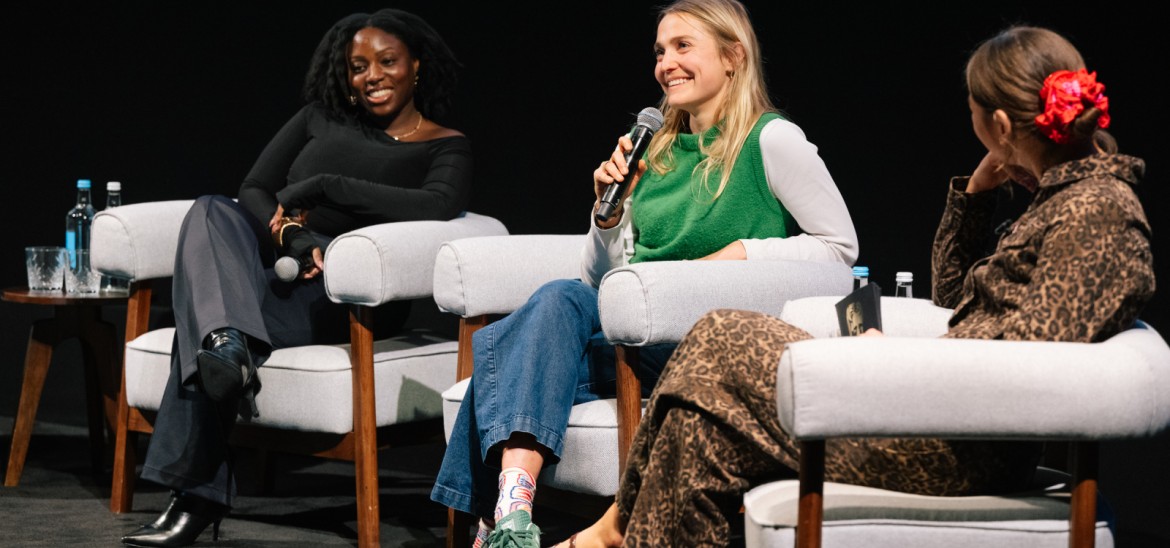
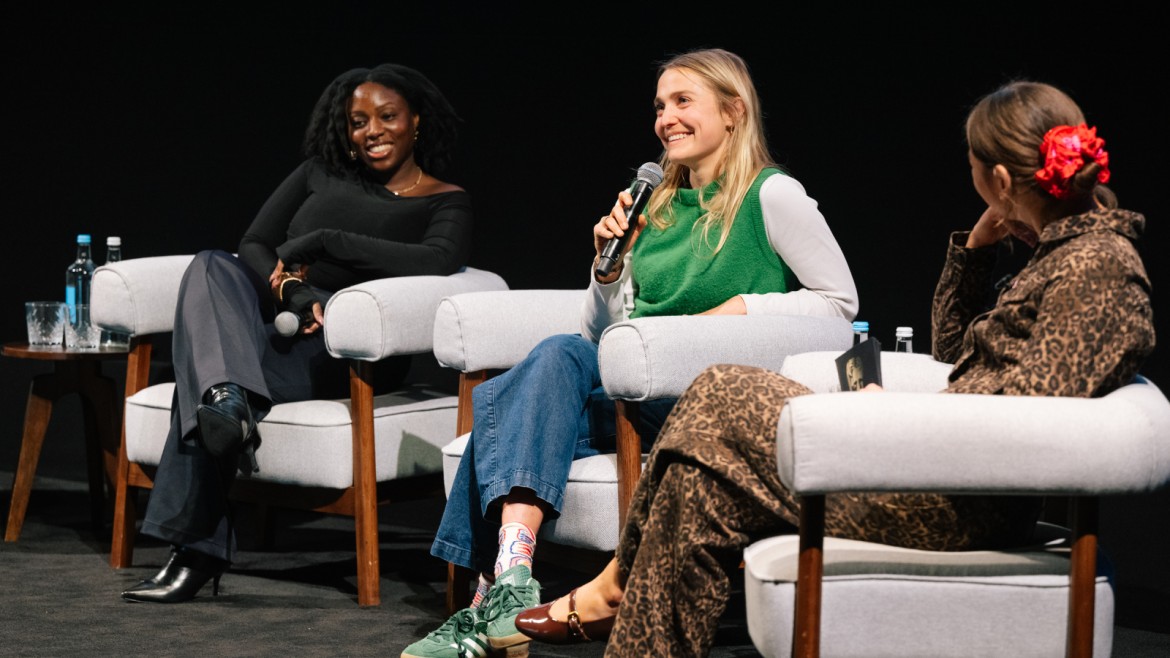
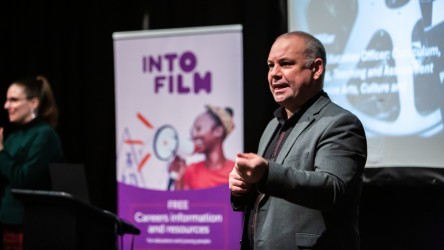
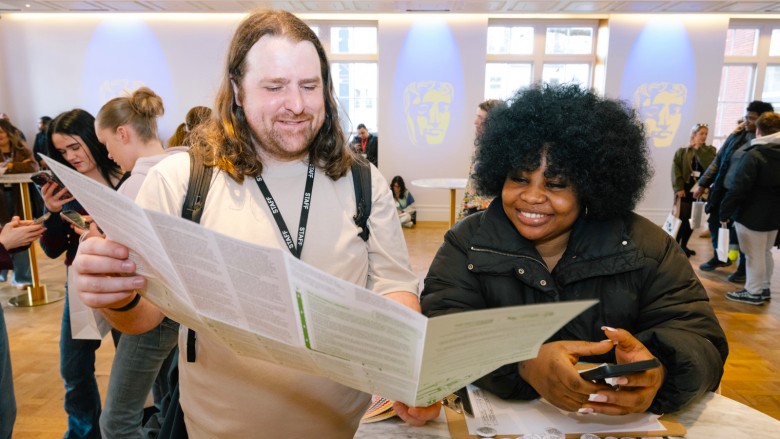
To mark the start of National Careers Week 2026 (2-6 March), we teamed up with BAFTA to hold several careers panels at their headquarters in Piccadilly, London.
National Careers Week is a UK-wide celebration of careers education, designed to empower people of all ages to explore the full range of career pathways available to them. To maximise its impact, we brought together schools, colleges, and screen industry professionals to provide insight into their own education and showcase the job roles and skills required to break into the screen industries.
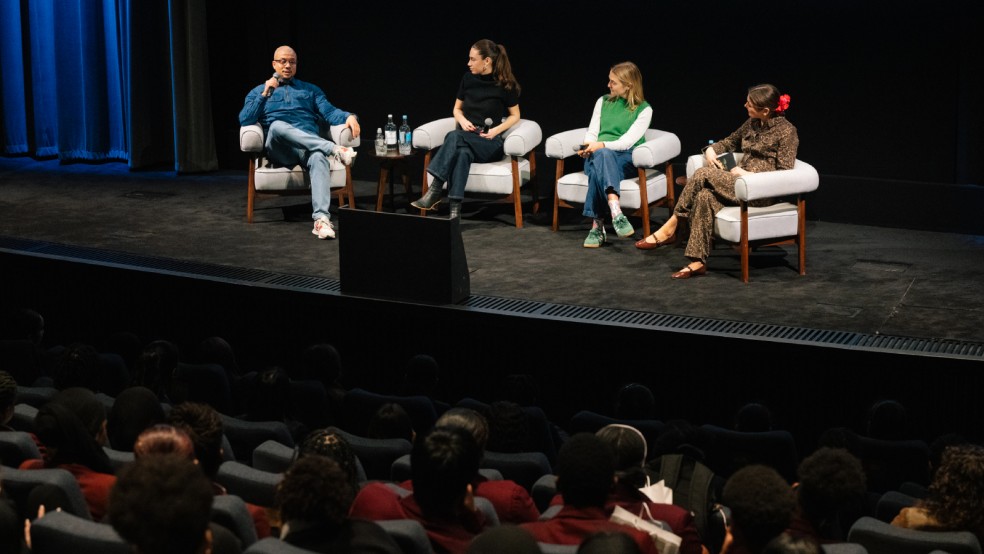
The event focused on the theme of ‘Own Your Future in Screen', complementing this year's National Careers Week theme, with four diverse careers panels covering roles in film, TV, animation, games and VFX (visual effects). The panels were hosted by broadcaster, presenter and BBC Radio 1 DJ Maia Beth.
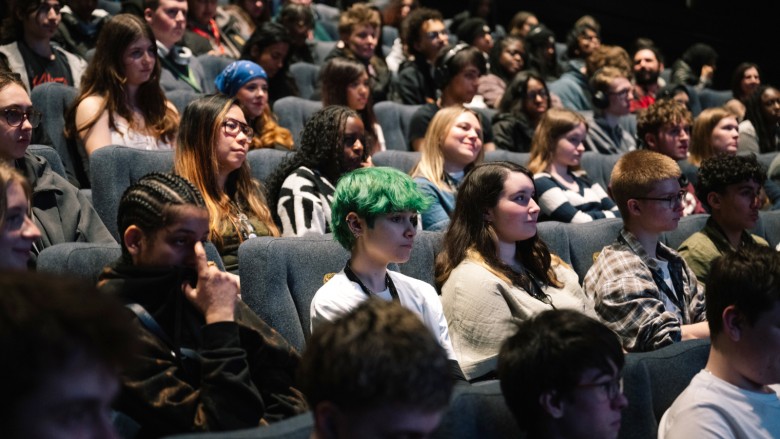
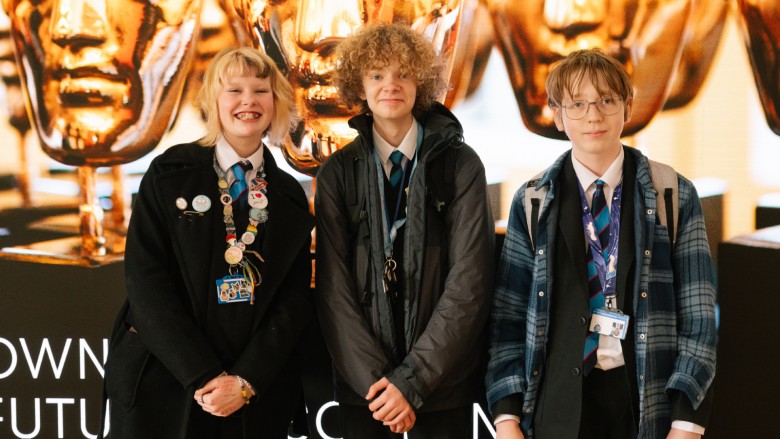
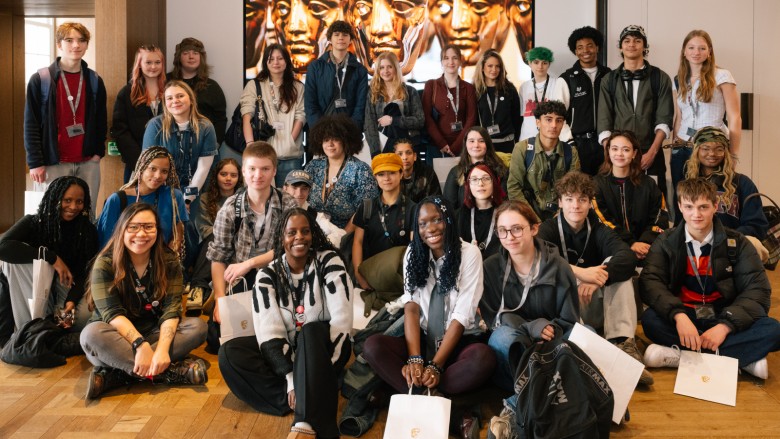
The panels spoke to a room of passionate young people who travelled from across England - from London, to Stoke-on-Trent - to hear about inspirational career paths and practical advice on how they can take control of their futures.
You don't have to know exactly where you're heading to be heading in the right direction.
One attendee on what they learnt from the day
As well as providing a travel bursary to allow these schools and teachers to attend, we were glad to welcome several schools and colleges from disadvantaged or under-served towns and regions, and were also delighted to have young people attending from specialist settings, including a post-16 college for young people with SEND.



The day began with a screen careers panel with screenwriter Nathaniel Price, producer Maia Adelia, and animation producer Vanessa Wheeler.
No matter the area they wanted to specialise in, our panellists discussed the shared passion of wanting to have a career that champions storytelling. "After I studied English and languages, I started looking for jobs in storytelling," said Wheeler. "I found a couple of companies that were making amazing illustrated books and audiobooks for pre-schoolers, and I contacted people from the organisation and asked if they could have a coffee with me and tell me what they do. Through that, I managed to get internships and started my career journey. My first job in animation came because I'd been sending emails and letters far and wide."
Wheeler also spoke about the benefits of languages when communicating with international screen industry professionals and organisations. "In animation, you could be working on Italian, Spanish or French co-productions," explained Wheeler, "and being able to speak different languages has been invaluable in those contexts. Plus there are the things that I've learned through studying English, like being able to analyse texts and communicate which have been essential skills working in film."
When discussing how young people can own their futures this National Careers Week and beyond, Adelia emphasised the accessibility of smartphones and tablets that allows young people to create content for portfolios. "It's something to prove to people, if you're reaching out to directors or anyone in the industry. It shows an example of your work and is proof of your passion to be a part of this industry."
Freelancing is a common way for creatives to own their careers and work on multiple different projects. The panel encouraged young people to maximise time spent in between contracted work to continue creating content and develop key skills. Host Maia Beth advised to young people to not neglect maths skills, even if they are seeking a creative career. "Most people in the creative industries are freelance and you have to do your own tax returns" said Beth, "So, being financially aware is important, and that means being good at maths is an important skill to have."
"Get your head around Excel spreadsheets, because we use them a lot in producing" added Adelia.
Meanwhile, Price spoke about how to manage self-doubt and imposter syndrome when creating stories. "I think, for any creative, it's quite difficult putting your work out there for people to watch or read because on some level, you feel like they're judging you. But have confidence in your stories. Overcome self doubt, because imposter syndrome is very common in this industry!"
On how he comes up with stories, Price suggested that people-watching is effective. "People-watching is a great way to give you a great basis for a story and characters. I people watch in cafes, on the bus, and I hear conversations. Just being alive to the world is my inspiration."
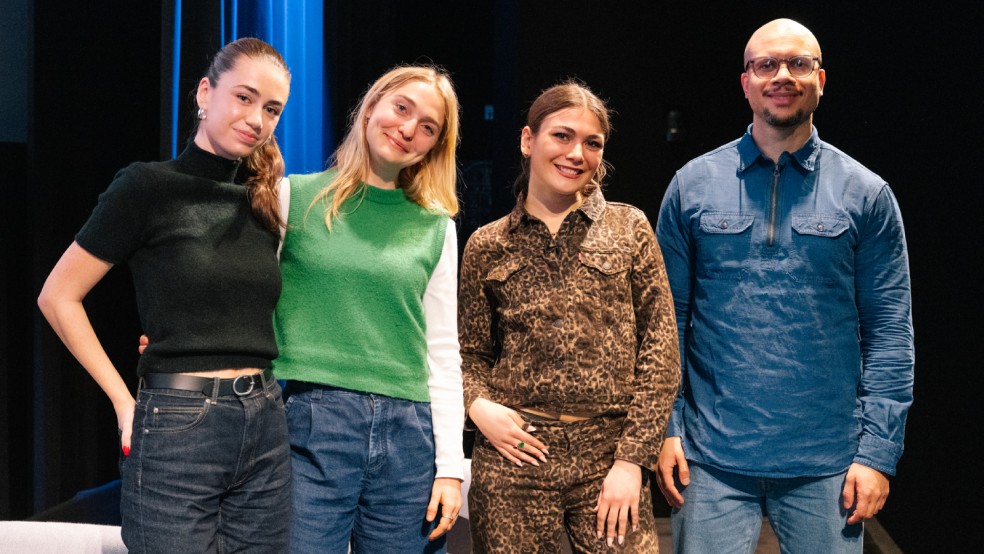
It was a great session. It was good for them to understand that they can act in the games world as well. I think they had no idea before they could do that.
Teacher at Riverside Secondary School, in Barking, London
The games panel featured games designer and BAFTA Young Game Designer (YGD) alumni Jack Rafferty, game character artist and YGD alumni Tallulah Martinez, actor Samantha Béart, and game developer Husban Siddiqi.
As YGD alumni, Rafferty and Martinez began their career journeys as young creatives with a passion for storytelling through the medium of games, ultimately winning the competition. "Because I'm a bit dyslexic," Martinez explained, "I really struggled with the writing aspect of it. Fortunately, I had a super lovely teacher who sat down with me and helped me do it. But my mindset before that was ‘Oh, this would be really fun to do, but there's no way I'll win.' And then I did!". Rafferty added: "No matter if you're a winner or a finalist, you get the same treatment and it's an amazing experience."
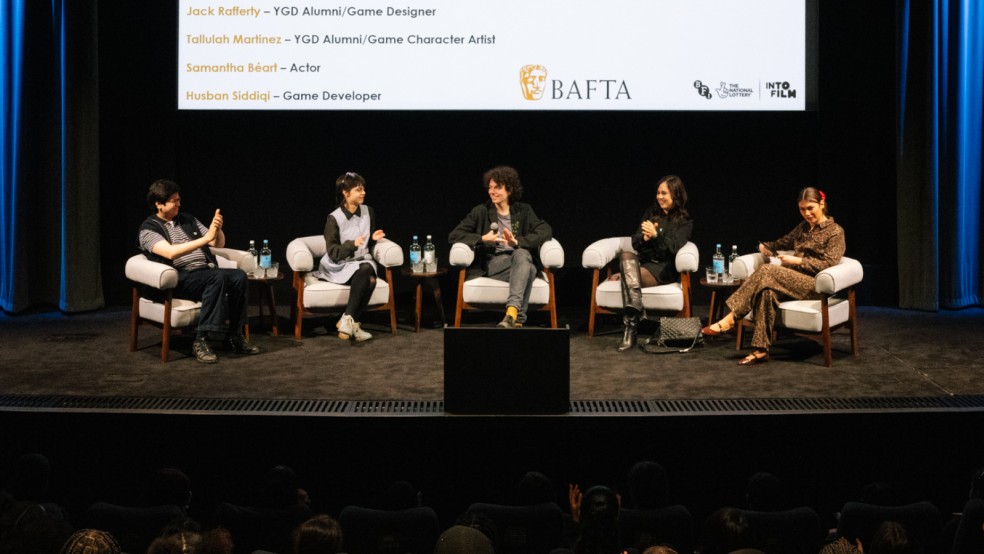
The panel discussed the unique ability of the games industry to bring together a diverse range of skillsets and talents to create an impactful story. "If there's people in the audience right now interested in working in the games industry," said Siddiqi, "I would say be curious and be determined. This is the wonderful thing about games: it's the beautiful intersection between art and technology. And so, one of the biggest things is to have an openness to learn and also be willing to just be focused."
Béart, whose notable roles include voice acting for Baldur's Gate 3 and Star Wars: Knights of the Old Republic, spoke about the positive impact of being able to keep an open mind as an actor when first starting to provide motion capture performance and voice acting to video games. When a young person asked for advice on approaching acting with an open mind, Béart answered, "No matter the medium, the storyteller wants to see some of these really deep, emotional performances. You might not even know until you go on set that it's a motion capture job. And motion capture is a bit like theatre sometimes, because it's the body that's telling the story. And so, if you've only ever acted from the neck up, you might be a bit out of your depth. Get in front of an audience and be comfortable with it and then you'll be ready for anything in this line of work."
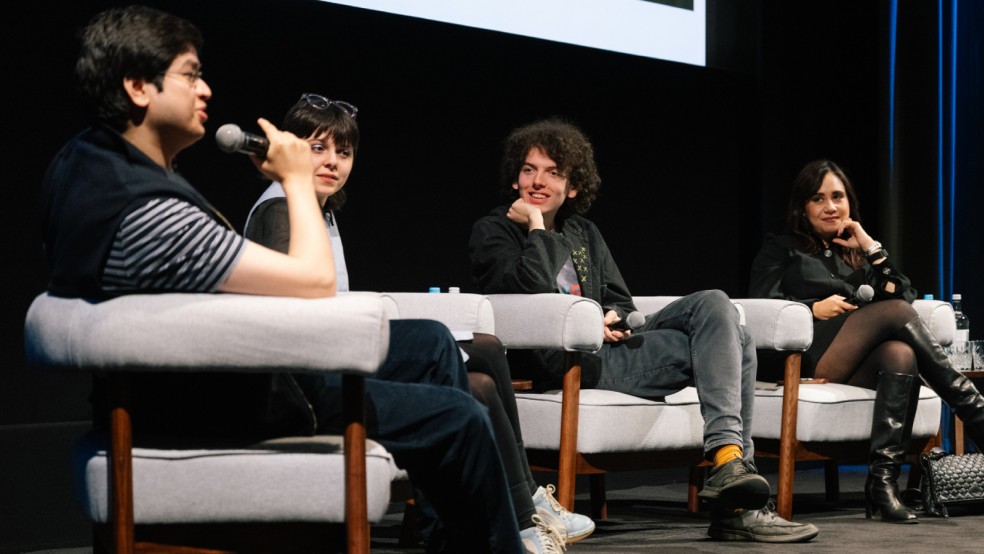
The panellists highlighted to audiences that gaming isn't unlike film and TV, as it is still a form of art and storytelling. "There isn't a limit to what you can do," explained Rafferty, "If you're looking at those mediums, those artforms, think about what story you want to tell and what medium would be best for that. Some of the best stories can be a concept album, a film, a game, a TV show, and these different mediums lend themselves to different ideas. You'll find that a lot of the skills involved in gaming are a lot more transferable than you think." Martinez echoed this saying: "I just knew I wanted to tell stories. And then, I got super lucky with being involved with YGD after. It really introduced me to this wonderful world that I really wanted to be part of. So, I think, if you're interested in everything, don't close yourself off to anything. Even pick the thing you love most and be open to opportunities."
Meanwhile, Siddiqi emphasised the educational benefits of games as a learning tool. "I literally learned history from playing Age of Empires. With some video games, you're learning history, particularly about World War II, with the likes of Medal of Honor, and things like that. One of the games I was obsessed with as a child was a game called Transport Tycoon, and I didn't realise this, but it was unwittingly teaching me business skills that I now currently use."
For those who may have never entered or considered the world of careers in gaming before, Béart clarified, "You don't just escape with games. Sometimes you learn something about yourself through playing someone else. And one thing about games is that it's such a personal and private experience. And it's so safe to maybe try out a bit of dialogue that you've always wanted to say in real life but you're too scared to. I think that's just incredible."
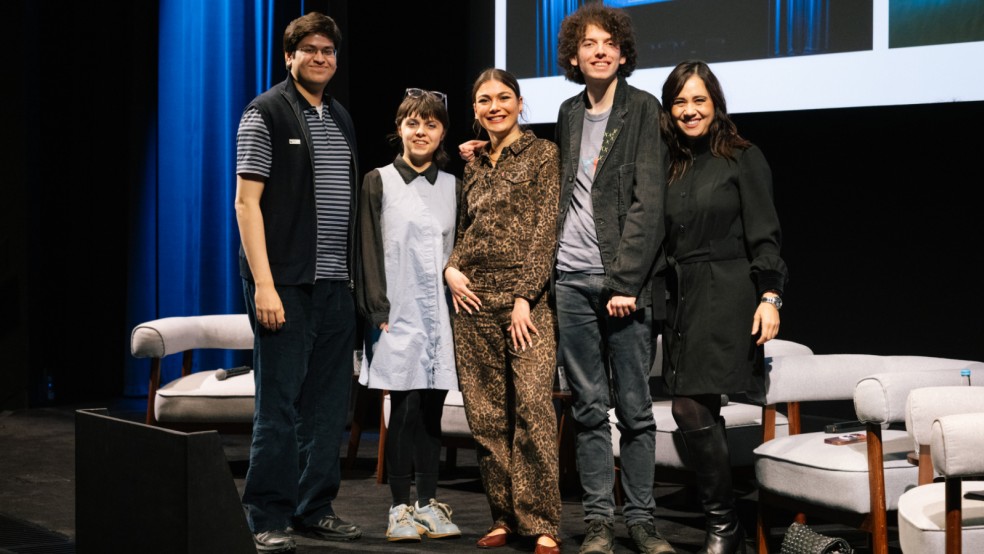
People are very rarely going to give you permission to do the work that you want to do. Make your things and put them out there. Be creative, be different, be unusual, and find your voice. There is still value to unique voices.
Samantha Béart, actor
Our final panel featured producer and director Rochelle Newman, sound designer/editor/mixer Chad Orororo, and animation producer Vanessa Wheeler.
Asked about his role as a sound editor, Orororo explained: "It's where sound meets storytelling. You can find sounds anywhere. I've been working on a project where they needed a monster, so I suggested they go and record a camel, because if you pitch it and slow down a recording of a camel, it sounds like the biggest, nastiest creature on the planet!"
Speaking about their routes into the industry, the panel were keen to emphasise that one of the key aspects of succeeding in the screen industries is the ability to build and maintain positive relationships with others. When a screen industry professional, asked Orororo as a young person what he wanted to do for a career, he said he wanted to be a sound designer. "I kind of tried to talk myself up in a way to show I've been working really hard and I've done all these skills and training," Orororo explained, "but she was just like ‘That counts for 40%. 40% is your skillset on the job. The other 60% is how you manage your relationships, how you manage your time, how you manage all of these other things'. So, I'll say if there was anything I wish I'd learned is make sure that you capitalise on that part of your skillset as well, not just like being actually good at your job. Research the people behind the work you like and follow them, attend the events and workshops they're involved in. That's what I did."
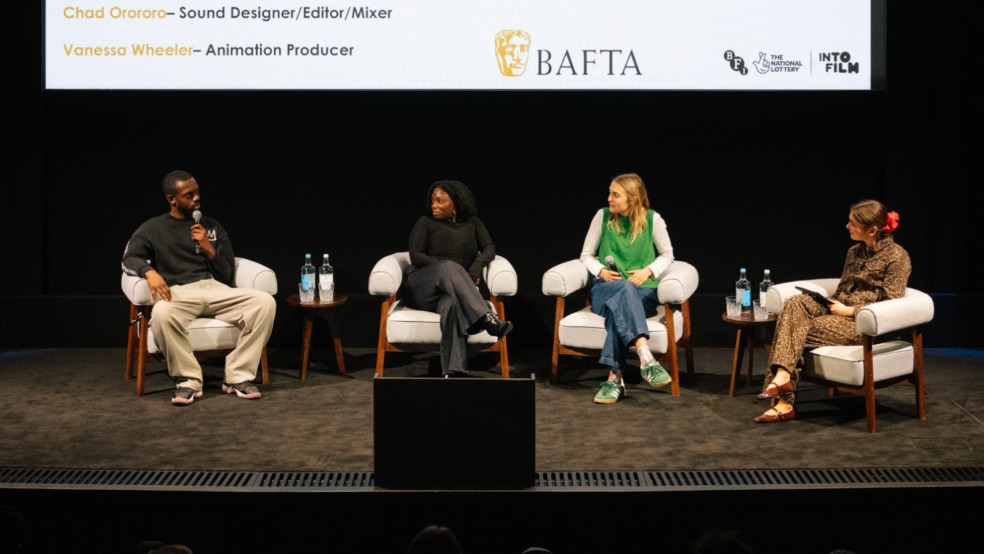
"Some of the stuff that I'm working on at the moment has come out of stories from relationships," continued Wheeler. "Whether that be with my running teacher or from like a guy I met a pub who had an interesting story and I wanted to talk to him more about it. And because I know I love it, that's kept me enthused throughout and has led to some quite exciting other paid jobs coming out of it. Also, make the most out of your network. You're all filmmakers and you've all got this amazing community and you're in a great position to be able to do stuff together."
The panel also discussed the power of continuing to create content, especially when freelancing or in between jobs. "When I was starting out in my career," said Newman, "I think I was a researcher or an AP [Assistant Producer], and I remember I had two execs from BBC contact me to say, ‘Rochelle, your CV's great, but what we love is what you're doing on your YouTube channel'". Newman expanded, "We're in a generation and a time where you can make good careers out of what you're doing online. So, I wish I had continued to do more of my creating on YouTube. At that time, apps like TikTok and Instagram weren't around, but I would say be generally curious about the people that you're going to speak to and don't stop creating. Put all of that on your CV, as well as your stuff that you're being paid for and things will happen."
Throughout the session, the panellists emphasised the power of being able to adapt to change and believing in yourself. Speaking on long-term career advice, Orororo said, "I always say to young people and I do it all the time in my career - maybe about every six to twelve months - I'm always asking myself, ‘Why am I here?'. And I think it's always good to not be scared of the answer that you might get. And I think the more and more you lean into understanding who you are and why you're here is the easiest way to make certain decisions around who to speak to."
"And I think that's like understanding the value of what you have in your hand, no matter where it is you're coming from", Orororo expanded. "I'm a working-class kid from Southeast London, man. If someone said I was going to be sitting here in front of all you guys, I would have said ‘No way'. But what I do know and what I've always had is my hand and my cards and I'll play them the best way I can every time."
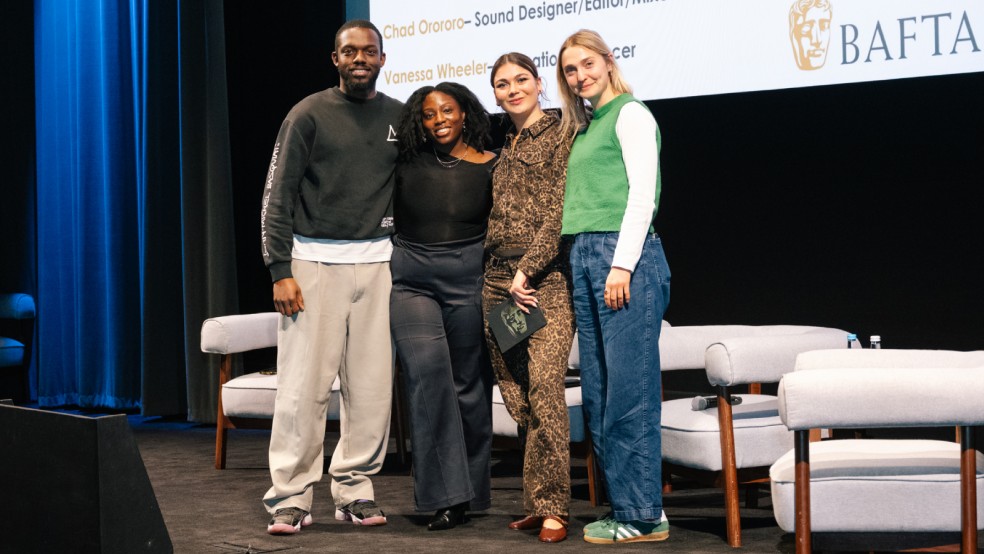
Throughout the day, all of our panellists emphasised that success in the screen industries is built on collaboration, communication and strong relationships. Even for those who may work independently in their job roles, networking and strong professional connections secure them new projects and sustain their careers. While many of our speakers didn't know for certain what their dream job role was, they all embraced opportunities and stayed curious, each creating their own creative path with a shared passion for storytelling. Young audiences took away that with confidence, collaboration and a willingness to take the next step, they have the power to shape their own futures.
Asked what they took from the day, one young person said they'd learnt that "You don't have to know exactly where you're heading to be heading in the right direction", while another said "It has made me think that I should start putting myself out there way more, because chances won't just come to me by sitting at home and being in my own bubble."
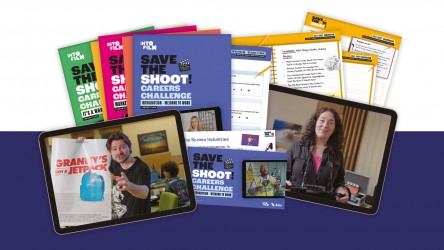
You can continue careers conversations with our range of resources for National Careers Week and beyond.
Viewing 4 of 4 related items.
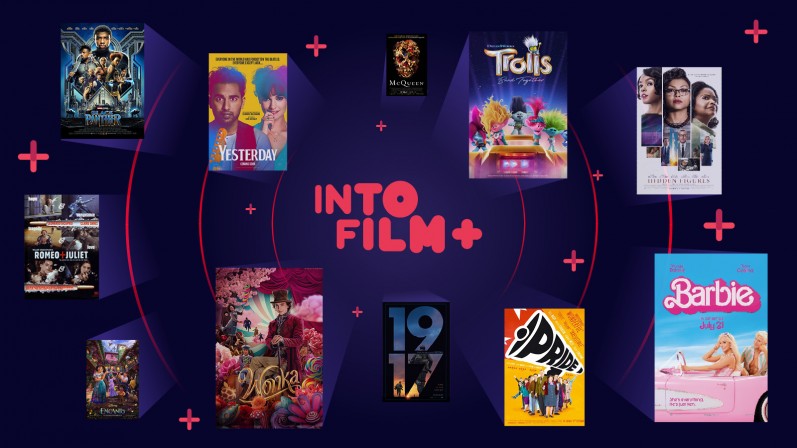
Find out more about our streaming service, designed specifically for UK schools.