
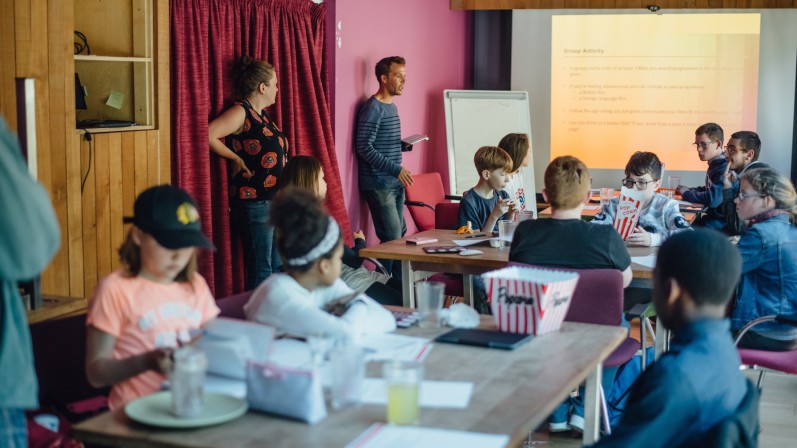
How do Into Film Clubs work?
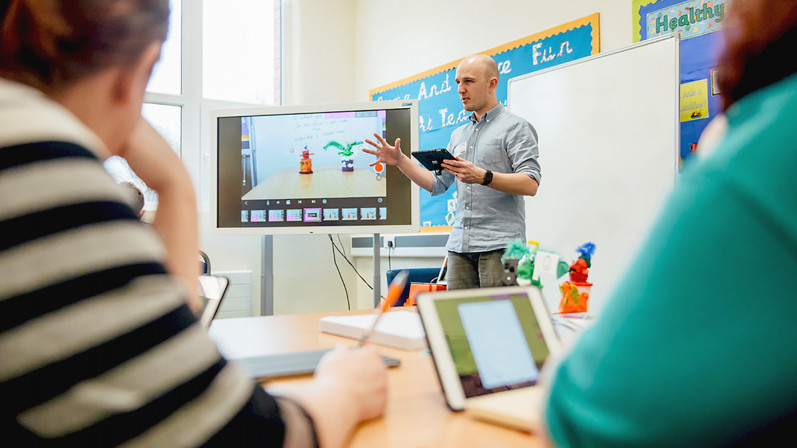
Find out more about what's involved in running your very own Into Film Club.


15–16
Short (1-4 activities)
International Day of the Girl Child
11 October
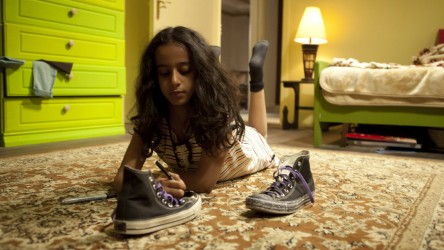
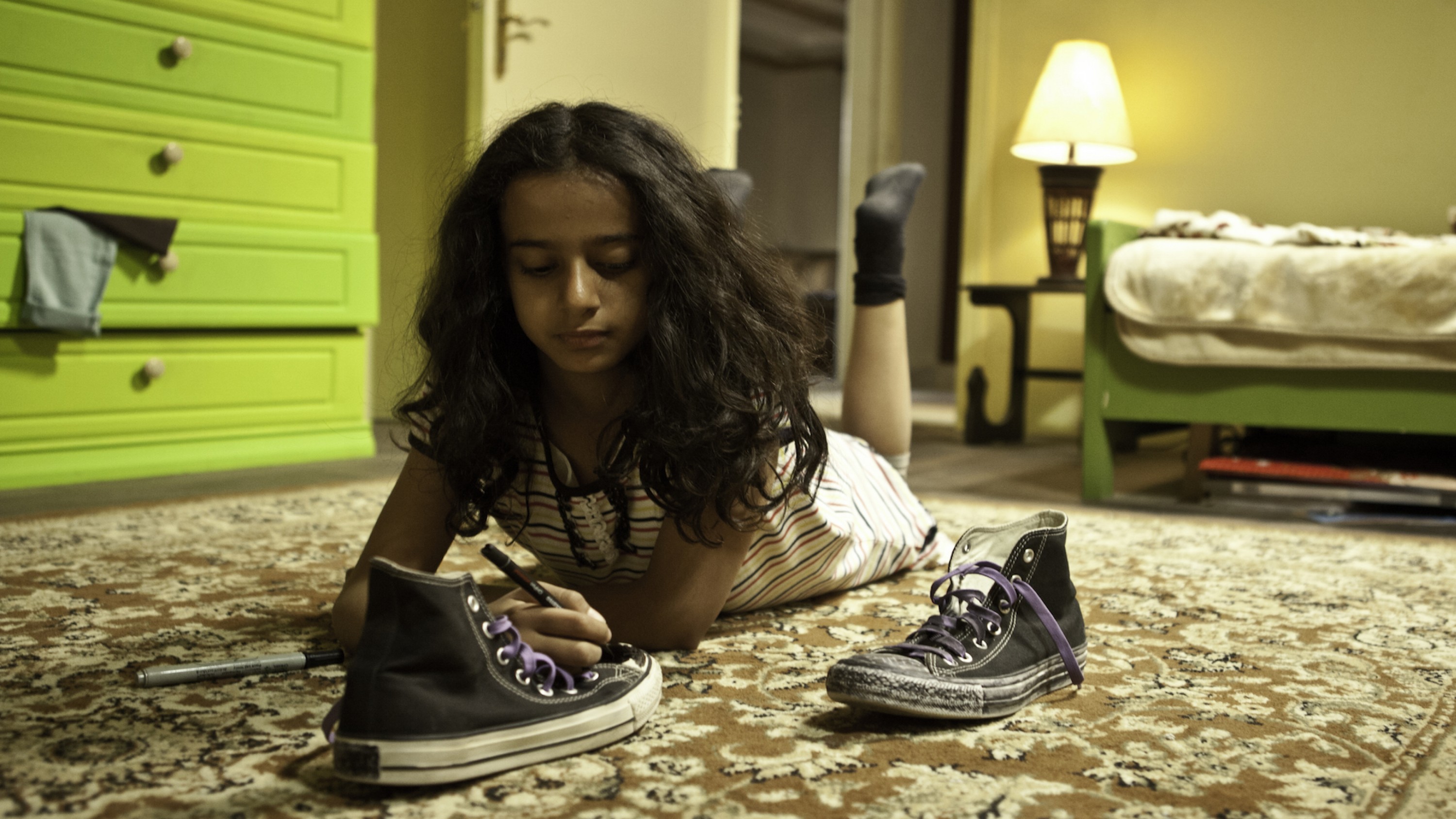
A Film Guide that looks at Wadjda, a sweet and uplifting story about ten-year-old Saudi Arabian girl Wadjda who refuses to let the fact she's a girl stop her from doing the things she wants to do.
This guide is useful for exploring topics including Citizenship and Film Studies in addition to highlighting themes surrounding law and order, democracy, family, film history, equality, gender representation, religions and beliefs, and Middle Eastern countries.
A short PowerPoint of activities focusing on Wadjda
Size: 41.09 MB
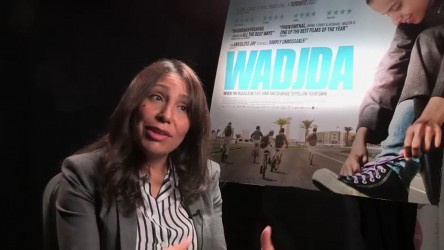
Haifaa talks about the conditions she overcame to make her feature film.
Duration: 7:12 mins
We have developed a large catalogue of educational resources since launching in 2013, and some references and terminology will inevitably have dated as society and language evolves. We are aware of this and will be updating resources when our production schedule allows.