This film list is a comprehensive source of all titles on the Cambridge OCR Film Studies A-Level syllabus which are currently available to stream on Into Film+ and Into Film+ Premium. The syllabus titles are correct as of September 2026: they include titles still on the syllabus for the 26/27 academic year as well as those for first assessment in summer 2028, and will be updated whenever relevant. All titles listed have accompanying film guides for further discussion.
The titles, and the sections they appear in on the syllabus, are as follows:
Attack the Block (AS Level - Understanding British Film)
Sunrise (Film History, Section A: Film Form in US Cinema - Silent Era)
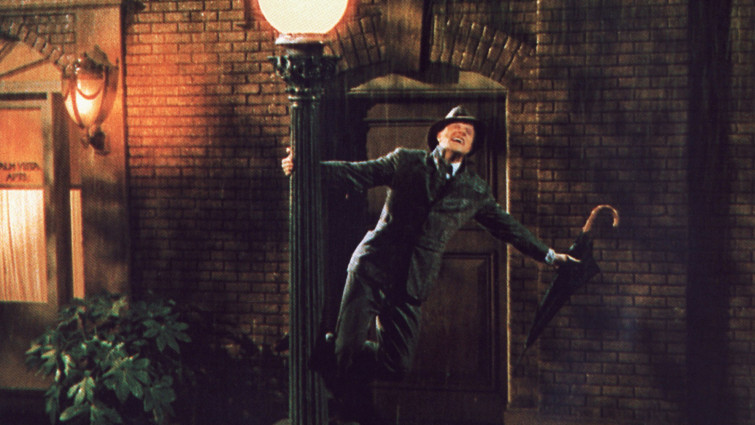
Singin' in the Rain (Film History, Section A: Film Form in US Cinema - 1930-1960)
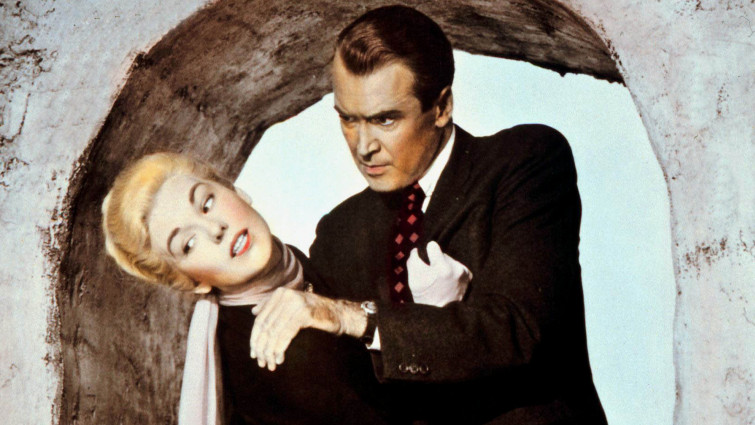
Vertigo (Film History, Section A: Film Form in US Cinema - 1930-1960)
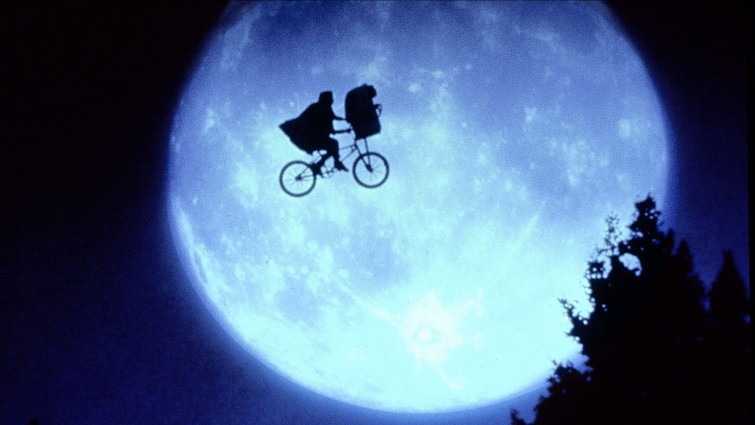
E.T. The Extra-Terrestrial (Film History, Section A: Film Form in US Cinema - 1961-1990)
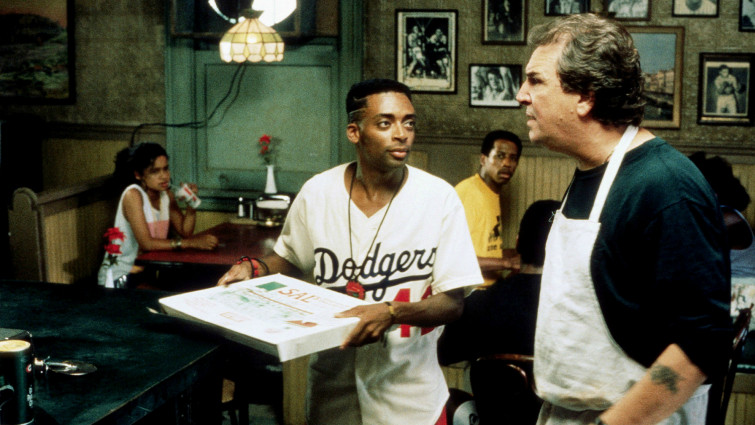
Do the Right Thing (Film History, Section A: Film Form in US Cinema - 1961-1990)
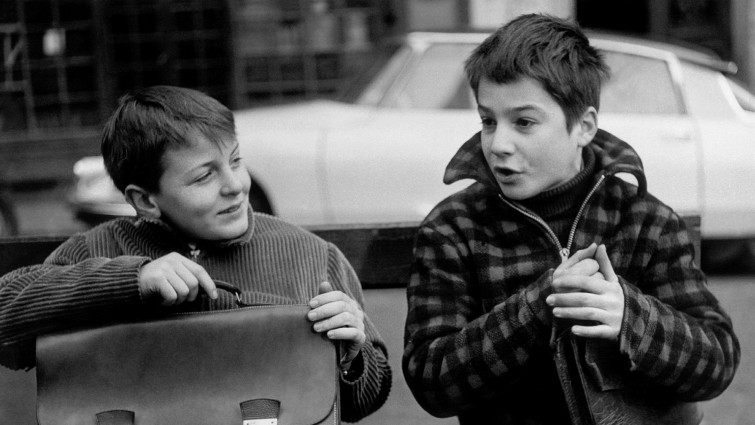
The 400 Blows (Film History, Section B: European Cinema History - French New Wave)
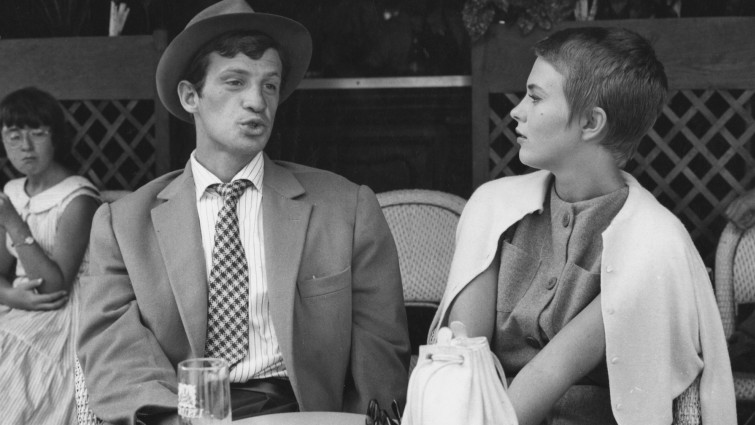
Breathless (Film History, Section B: European Cinema History - French New Wave)
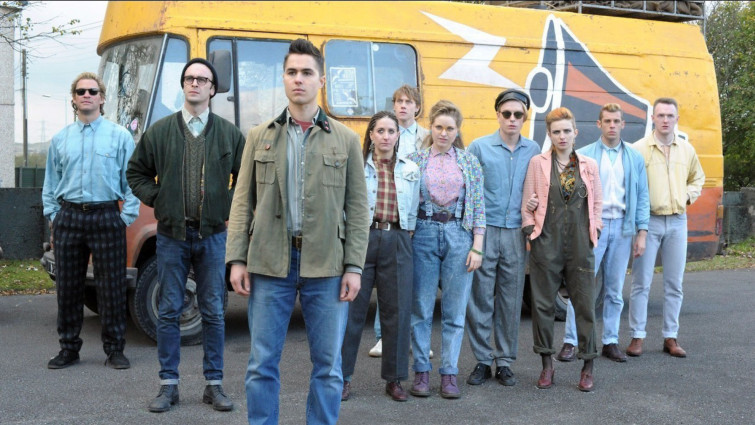
Pride (Critical Approaches to Film, Section A: Contemporary British Film)
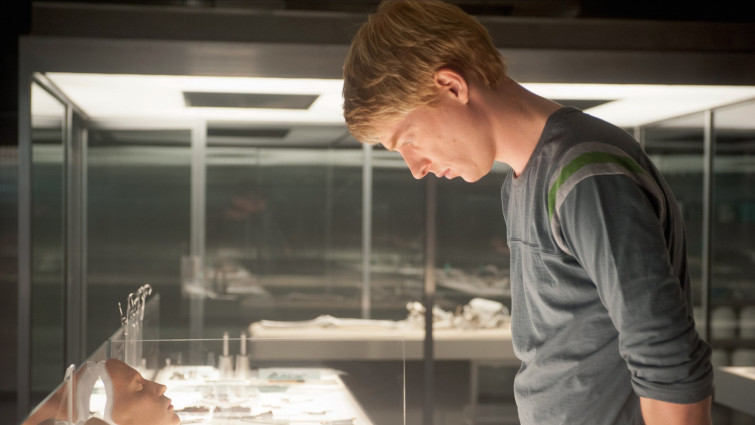
Ex Machina (Critical Approaches to Film, Section A: Contemporary British Film)
Rye Lane (Critical Approaches to Film, Section A: Contemporary British Film) (first assessment summer 2028)
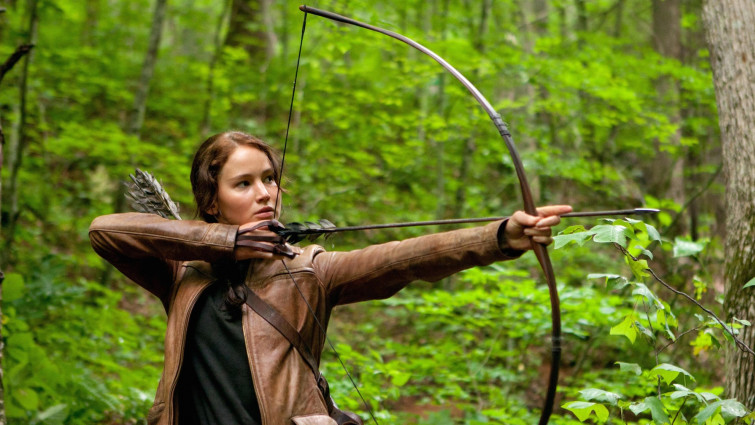
The Hunger Games (Critical Approaches to Film, Section A: Contemporary US Film)
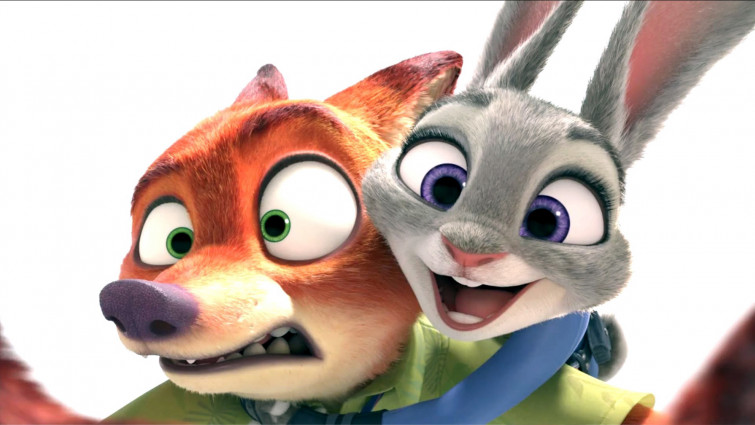
Zootropolis (Critical Approaches to Film, Section A: Contemporary US Film) (final assessment summer 2027)
Barbie (Critical Approaches to Film, Section A: Contemporary US Film) (first assessment summer 2028)
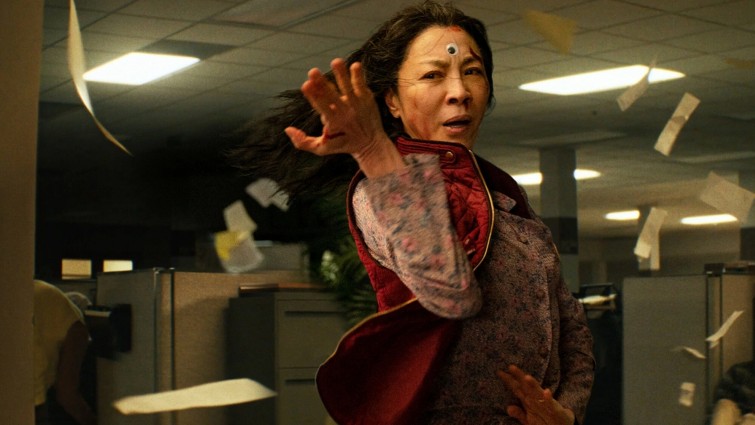
Everything Everywhere All at Once (Critical Approaches to Film, Section A: Contemporary US Film) (first assessment summer 2028)
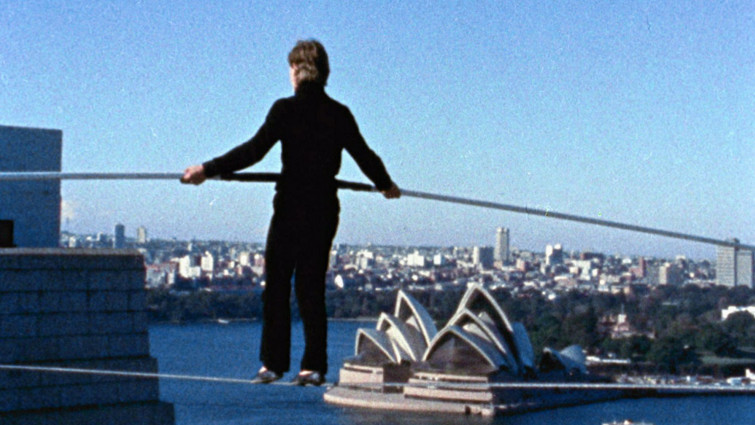
Man on Wire (Critical Approaches to Film, Section B: Documentary)
Searching for Sugar Man (Content of Critical Approaches to Film, Section B: Documentary)
District 9 (Critical Approaches to Film, Section C: Ideology [Conflict] - English-language, non-US)
Whiplash (Critical Approaches to Film, Section C: Ideology [Conflict] - US Independent)
Tight Jeans (Making Short Film)
The Ellington Kid (Making Short Film)
Over (Making Short Film)
Echo (Making Short Film)
Arrival (Making Short Film)
Operator (Making Short Film)
The Fly (Making Short Film)
All of the films below are available to stream via Into Film+ but some of them (labelled) are only available to Into Film+ Premium users. Find out more here.
Available to streamon Into Film+
Cert
Age group15+
Duration84 mins
Attack the Block(2011)
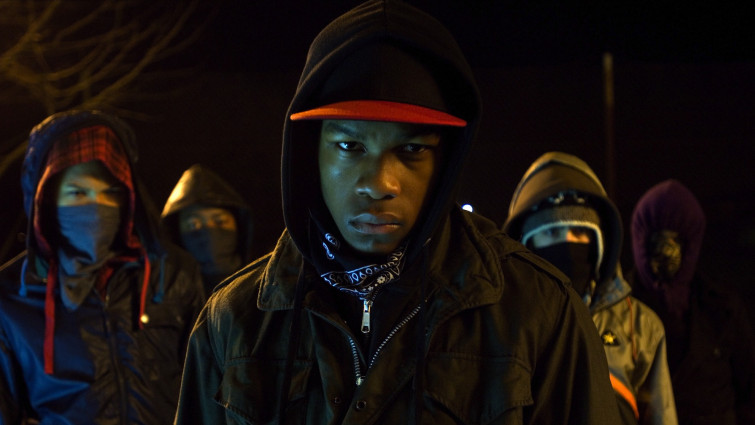
A bunch of South London teenagers find their tower block under attack from deadly aliens, in this fast and funny sci-fi horror film.
This film is on the AS-Level syllabus only, as part of the Understanding British Film component. Joe Cornish’s influential sci-fi comedy combines gritty, urban London settings with genre influences, using action set pieces to great effect.
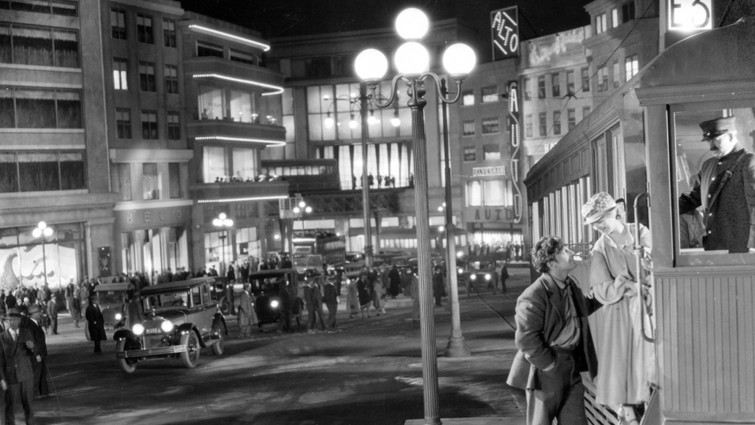
This visually stunning, classic silent movie is a morality tale about a farmer who becomes torn between his wife and another woman.
This title is on the A-Level syllabus only. One of the titles available in Section A of the Film History component which encompasses films from the birth of cinema through to 1990, F.W. Murnau’s silent era classic, which won two categories at the inaugural Academy Awards for its exploration of romance and morality, is also a cornerstone of the German expressionism movement.
Widely considered the best musical ever made, this tribute to Hollywood is about an actress who can't sing trying to move into sound films.
This seminal musical is one of the options in Section A of the Film History component, exploring classic Hollywood productions between 1930 and 1960. ‘Singin’ in the Rain’ allows for the opportunity to study concepts such as star power, the popularity of the musical, choreography, performance, and the transition from silent cinema into the talkies.
A retired detective suffering from vertigo is hired to follow the wife of a friend but soon finds himself caught up in a web of deceit and lies.
In the same section as ‘Singin’ in the Rain’ as alternate option, Alfred Hitchcock’s ‘Vertigo’ was voted the greatest film of all time in 2012 as part of Sight & Sound’s acclaimed once-in-a-decade poll. Students could explore its rich themes, James Stewart’s performance, its implementation of the dolly zoom for the first time, and Hitchcock as an auteur.
This heart-warming family favourite about an alien stranded all alone on earth contains some of the most magical scenes in movie history.
Still in Section A of Film History but now in the period 1961-1990, ‘E.T. The Extra-Terrestrial’ explores a modern auteur in the form of Steven Spielberg. One of the few family films on the syllabus, aimed at younger audiences than others included, it may provide an interesting comparison and contrast with more “serious” works.
Racial tensions run high in Brooklyn on the hottest day of the year.
Another film from 1961-1990, right at the tail end of the period, by another director who has defined his era of filmmaking. Spike Lee has explored Black culture and experiences on film in the mainstream for decades, but arguably never more potently than his sharp and subversive third feature.
An anthem for troubled loners everywhere, this is the deeply moving tale of a cheeky yet vulnerable French schoolboy.
This title is on the A-Level syllabus only, within Section B of Film History focusing on European Cinema History, in this case the French New Wave. One of a number of BFI titles available on Into Film+, François Truffaut’s ‘The 400 Blows’ is an iconic coming-of-age film with experimental aesthetics.
A classic French New Wave film about a petty thief on the run from the law who hides out in Paris with his American lover.
This title is on the A-Level syllabus only, also within the European Cinema History section. It is another title strongly associated with the French New Wave movement that emerged in the late 1950s, with directors like Truffaut and in this case Jean-Luc Godard trialling new approaches to filmmaking aspects such as editing, visuals, and narrative.
Uplifting comedy about an unlikely moment in recent British history when, in 1984, gay rights activists offered to support the striking miners.
This title is on the A-Level syllabus only within Section A of ‘Critical Approaches to Film’: Contemporary British Film. It provides an insight into perspectives on modern British history, highlighting a remarkable true story from 30 years prior to the film’s release exploring intersectional themes around sexuality, class, and identity.
A taut sci-fi thriller exploring the popular debate about whether Artificial Intelligence could ever match humankind's capacity to think and feel.
This title is on the A-Level syllabus only in the same section as ‘Pride’. A three-handed chamber piece, it’s a modern study of artificial intelligence from a modern pioneer of sci-fi, Alex Garland, who has also worked on the likes of ‘28 Days Later’, ‘Never Let Me Go’, and ‘Sunshine’. ‘Ex Machina’ additionally explores themes around technology, ethics, and gender dynamics.
Romantic comedy in which two twenty-something year olds reeling from bad break ups spend an eventful day together in South London.
This title is a new addition to the list of set films, for first assessment in summer 2028 within Section A of ‘Critical Approaches to Film’: Contemporary British Film. A love letter to South London with a distinct visual style, this fast-paced film revitalizes the traditional romantic comedy by infusing it with irreverent British humour.
In an unequal post-apocalyptic society, a 16-year-old girl volunteers to take the place of her younger sister in a brutal annual contest.
This title is on the A-Level syllabus only within the ‘Contemporary US Film’ section. ‘The Hunger Games’ is an example of an enormously popular young adult franchise which followed in the footsteps of ‘Harry Potter’ and ‘Twilight’, and allows for interrogation of topics such as inequality and celebrity culture, while also demonstrating rich visual filmmaking.
Hugely inventive animated adventure about a rookie bunny cop teaming up with a wily fox to solve a set of mysterious disappearances.
This title is only an option for assessments taking place summer 2027. One of the few children’s films on the curriculum alongside ‘E.T.’, it permits discussions on the advancement of animation; the way in which Disney films more specifically have changed over time; and the film’s subtext of racism within the context of its intended audience and studio release.
When Barbie suffers an existential crisis she must travel into the real world to discover who she really is.
This title is another new addition to the list of set films, for first assessment in summer 2028 within Section A of ‘Critical Approaches to Film’: Contemporary US Film. While on the surface it may appear a light-hearted popular blockbuster, the film provides a rich analysis of feminist theory, post-feminist media culture, consumer capitalism, and cinematic pastiche.
A Chinese immigrant becomes entangled in a multi-verse spanning adventure that could have devastating consequences for her family and beyond.
This title is also newly included on the set films list alongside ‘Barbie’, for first assessment in summer 2028. Rather than using the multiverse purely as a sci-fi action device, the film turns it into a vivid visual and emotional expression of digital-era overwhelm, generational trauma and existential uncertainty.
Gripping documentary about Phillipe Petit, who in 1974 walked on a tightrope between New York's Twin Towers, without permission from the authorities.
This title is on the A-Level syllabus only in Section B: Documentary. French language film ‘Man on Wire’ is a case study of when documentary filmmaking tackles a subject and character without access to lots of archive footage as is the case with many documentaries since, helmed by the acclaimed British filmmaker James Marsh.
Charming documentary following two fans on their quest to discover what really happened to their folk-rock hero, the mysterious Rodriguez.
Also appearing in the set list for Section B: Documentary, this film follows the remarkable story of how, in the pre-internet age, the songs of a forgotten folk musician from the USA founds their way to South Africa and captured the imagination of the anti-Apartheid movement. The documentary features exquisite examples of the use of animated sequences in factual filmmaking.
An extraterrestrial race has been living on earth for 20 years, segregated from humans and living in slum-like conditions in South Africa.
In Section C of the syllabus which focuses on the topic of conflict within ideology is ‘District 9’, a hugely popular and successful satire on apartheid. Co-produced and also set in South Africa, it provides an example of how mockumentary filmmaking is still able to carry a serious subtext.
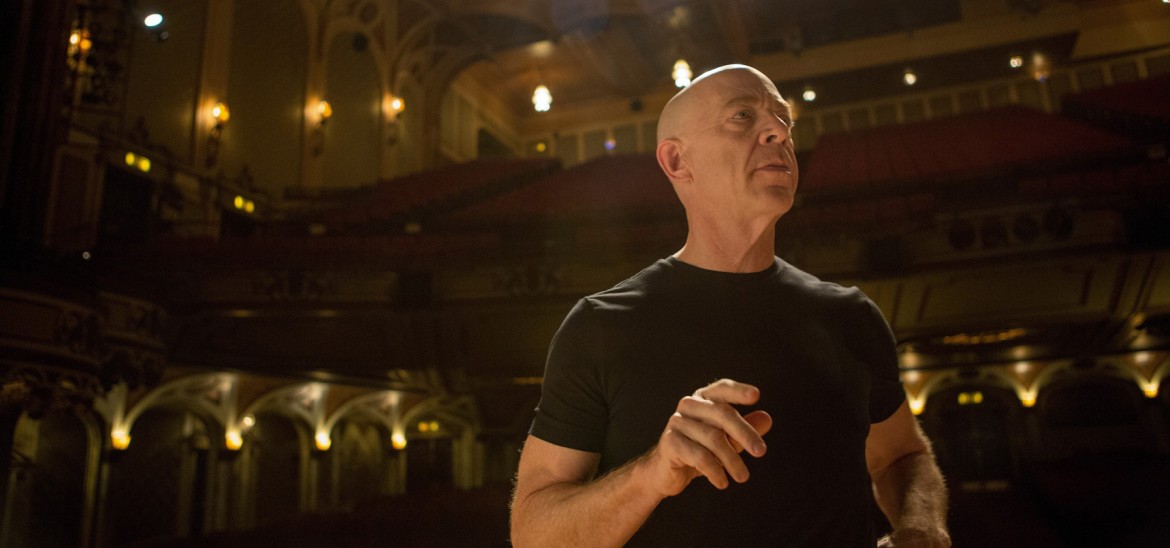
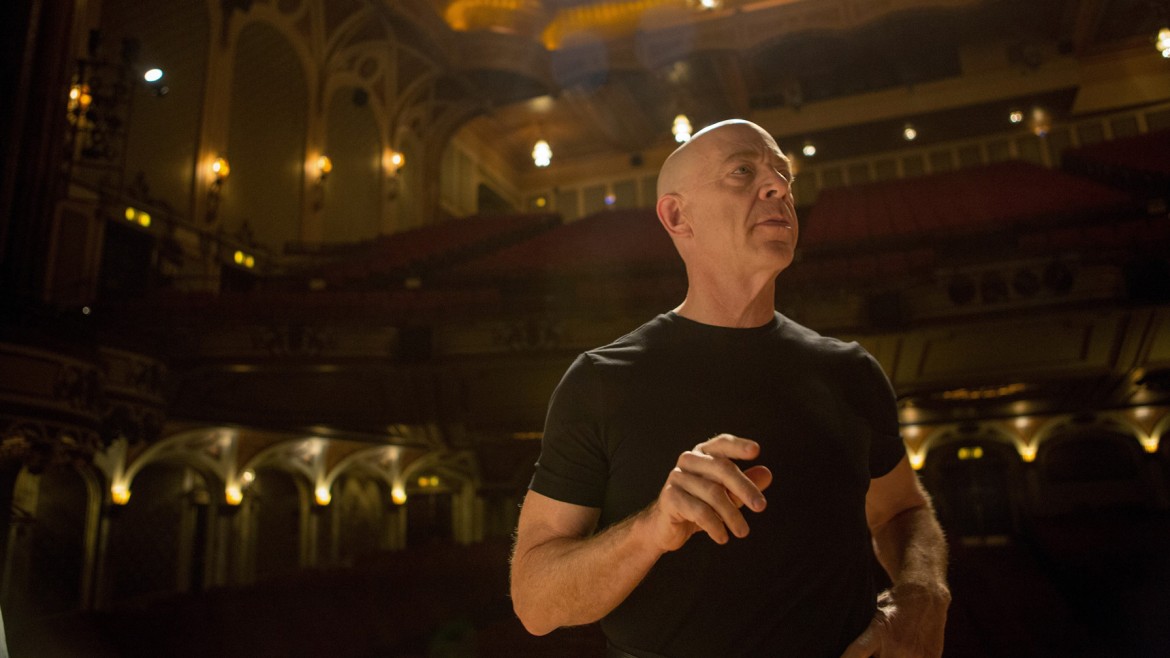
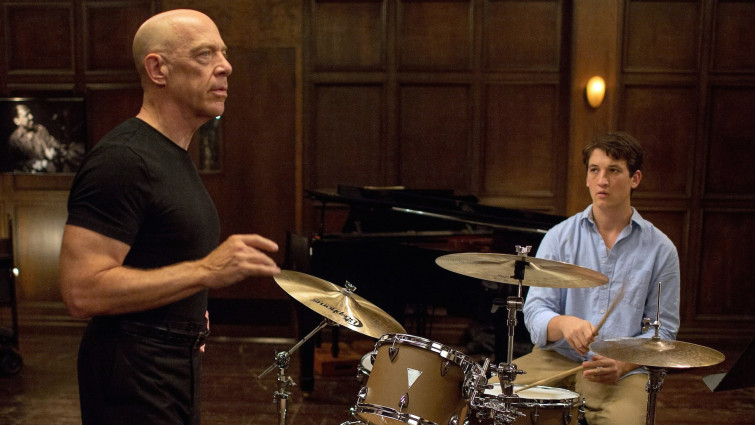
Riveting two-hander about a jazz drummer and his demanding tutor.
In the same section as ‘District 9’ but as an example of a US Independent title is ‘Whiplash’. As well as interrogating themes around competition, obsession, and sacrifice – and what the film might be saying about them within the context of its production – students may also wish to analyse elements such as the film’s editing, music, camerawork, and performances.
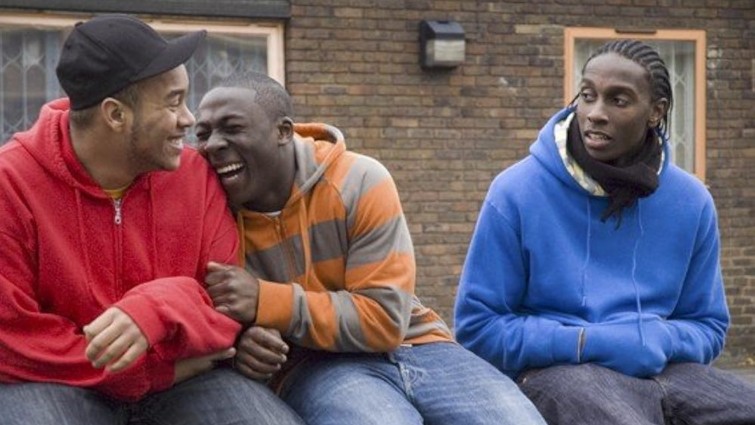
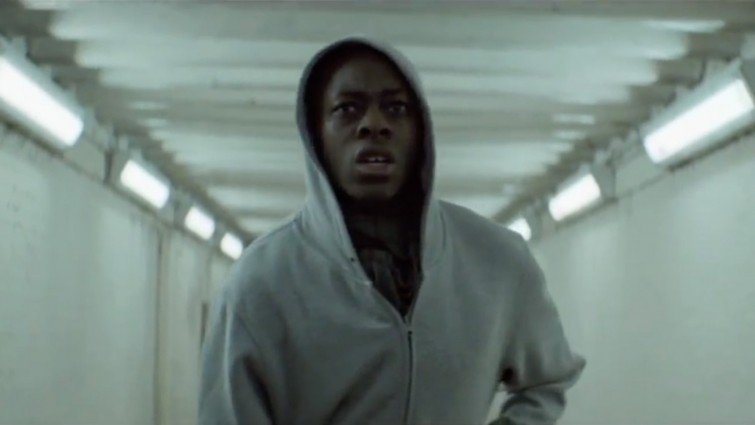
Three young men hang out on a street corner, killing time with talk about girls and what a man’s fashion sense can say about him.
For the Making Short Film component of the qualification, students are required to watch a selection of short British fiction films. With a seemingly simple premise of three guys chatting as they wait for a friend, 'Tight Jeans' offers the perfect opportunity to analyse performance, dialogue, and mise-en-scène, showing how tension can be created in an everyday setting.
Over a kebab shop meal, two friends discuss an altercation that occurred in the very same restaurant that they are sitting in.
This next short film on the set list for the Making Short Film component also centres around a conversation between two friends. It is helpful for studying narrative techniques such as generating suspense and storytelling, as well as representation of urban violence and youth culture.
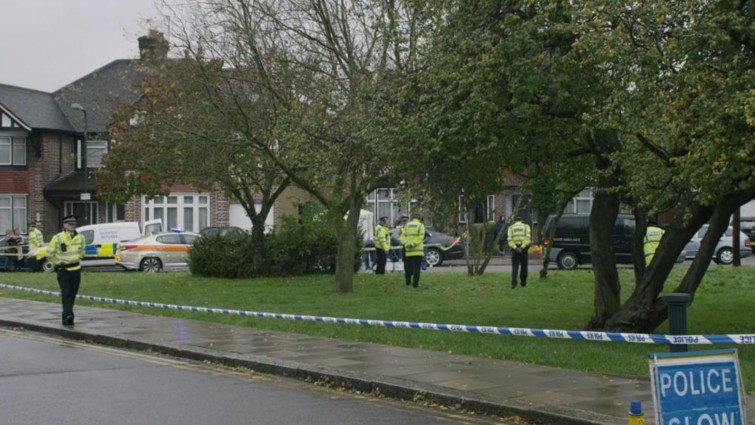
A mystery unfolds inside a quiet British suburb, told backwards through nine wide shots.
Demonstrating an ingenious use of reverse chronological storytelling, 'Over' retraces the events that led to the mysterious opening shot of the film. As well as generating discussions on plot structure, this piece is an example of drawing inspiration from news stories, giving students ideas for different starting points for the Making Short Film component of this A-Level.
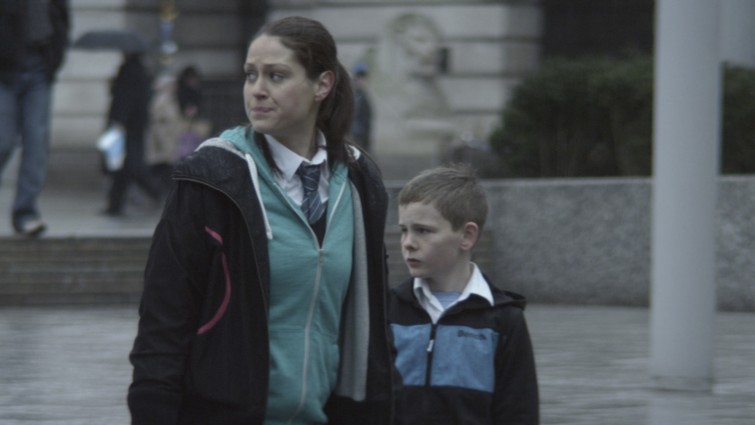
Teenager Caroline receives a tragic phone call whilst out in town, causing her to have a breakdown – but is everything as it seems?
Another film on the set list for the Making Short Film component that explores narrative structure is ‘Echo’, about a teenage girl struggling after her dad has a serious accident. Students are likely to debate whether the protagonist deserves the audience’s empathy, leading to fresh perspectives on character development.
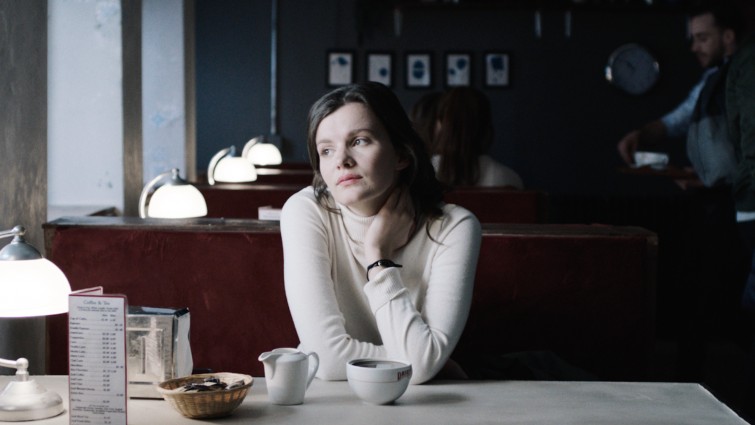
A pregnant woman named Anna sits in a café, waiting for her lover and wrestling with a life-changing decision.
An example of a one-shot film, 'Arrival' features a woman on the cusp of a life-changing decision. As with many of the titles on the set list for the Making Short Film component of the qualification, it provides useful reference points for narrative conventions such as voiceover and suggests how camera movement and lighting can be used in deliberate yet restrained ways.
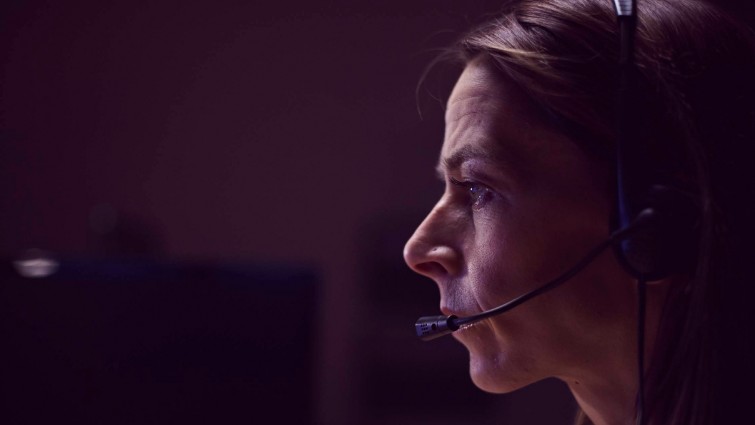
An emergency line operator races against time to help a terrified mother and her child, knowing their survival depends entirely on her instructions.
Using character perspective and real-time pacing, this next film on the set list for the Making Short Film component demonstrates how film can generate suspense through absence rather than spectacle. 'Operator' was developed with support from the London Fire Brigade and focuses on a call operator as she attempts to guide a family to safety as their home is engulfed by flames.
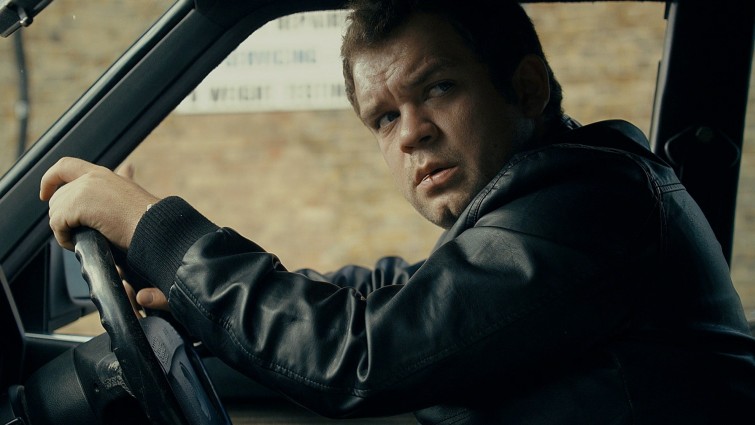
A highly-strung getaway driver faces a tough test – waiting in his claustrophobic car for his bank robbing crew to return and enact their escape.
The oh-so-relatable nuisance of a fly buzzing around and the physical performance of the lead actor are the key ingredients in this comedy short, listed in the set films for the component on Making Short Film. Being able to predict where the story is heading is part of the entertainment for this film, which plays with genre conventions in heist movies.