
Into Film Clubs
Find out everything you need to know about starting an Into Film Club.


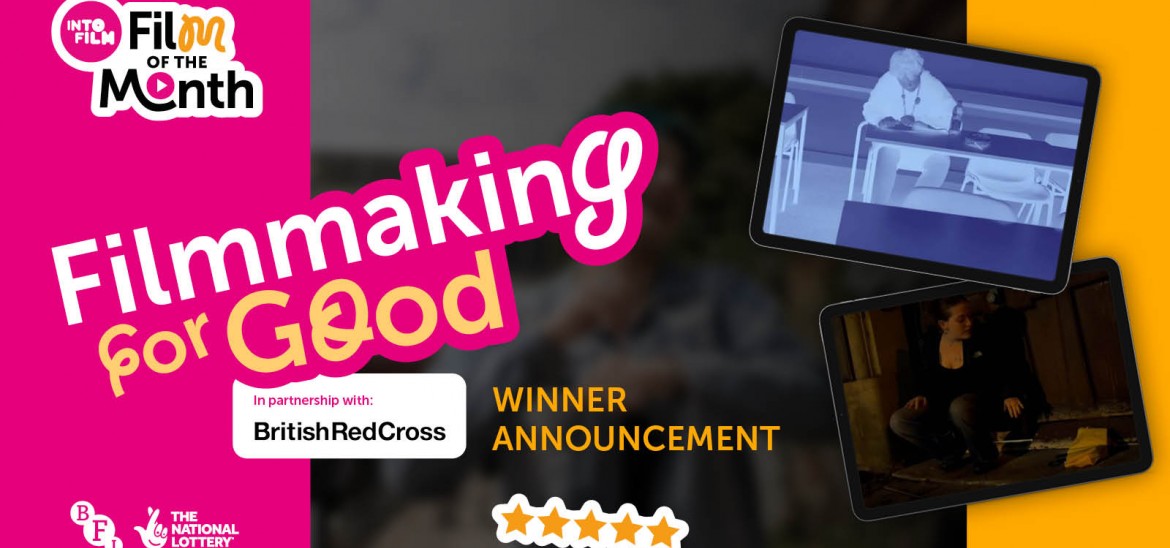
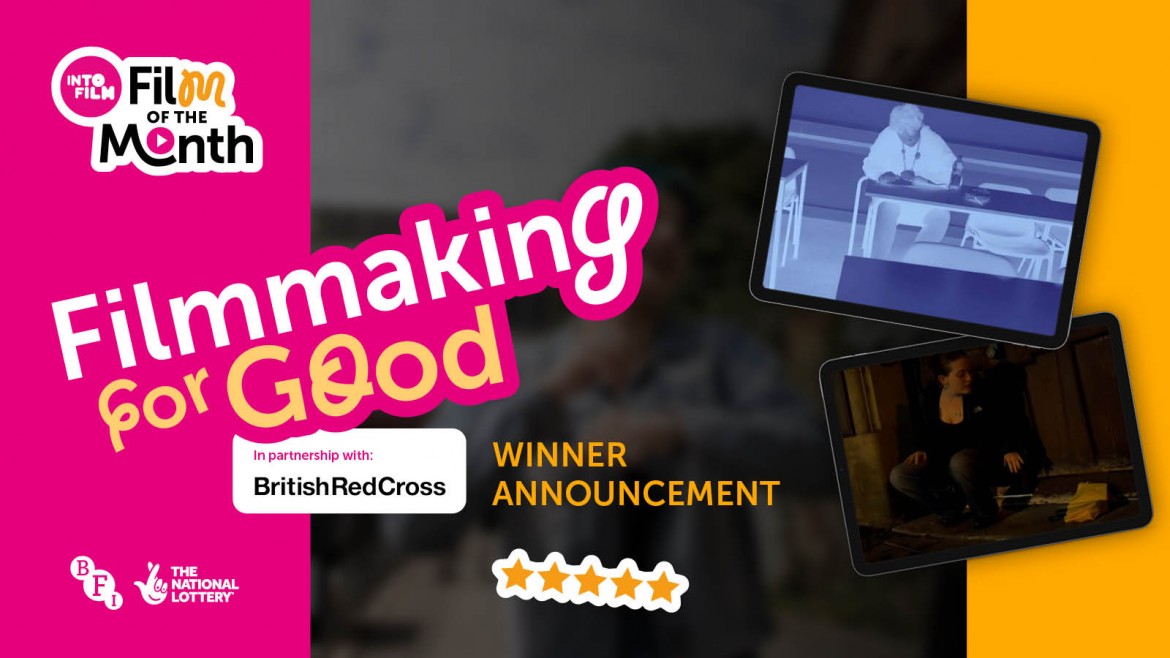
As part of Into Film's very first Themed Film of the Month competition, delivered in partnership with the British Red Cross, we celebrated young filmmakers who use their creativity to inspire empathy, spark understanding, and tell powerful human stories. The theme Filmmaking for Good invited young people across the UK to explore how film can bring communities together and shine a light on experiences that often go unseen.
Congratulations to Jason, aged 17, from Wymondham in Norfolk, whose film TICS (recommended for ages 11+) explores tic disorder from a personal perspective, using sound, performance, and lived experience to challenge misconceptions and encourage understanding (Tics are unintentional, fast and repetitive muscle movements).
We also selected The Yellow Umbrella, which was made by Miriam and Mya, ages 16 and 17, from Newcastle High School for Girls in Newcastle upon Tyne, as the runner-up for the competition.
Below, Steve from the British Red Cross shares his thoughts on TICS.
The team at the British Red Cross felt this film presents a strong, cohesive narrative, reinforced by effective audio and sound design. Simple early shots contrast with bold editing and visual effects later, immersing the audience in the lead character's perspective. Cleverly, we not only see the character but also sense their experience, a challenging feat in film storytelling. Well done!
Steve, Media Producer, British Red Cross
I hope that people with tics or Tourette's will remember to take their time and be patient with themselves even if others aren't patient with them.
Jason, director of TICS
We caught up with Jason to talk about his film:
What inspired you to make a film about tic disorder?
I found that many people have misconceptions of tic disorder, especially around how it affects individuals. A lot of people do not understand the physical sensation and discomfort of having tics. I wanted to use film to convey my experience to people.
Why was this story important for you to tell?
Tics is a subject that is not talked about enough, even in discussions about different neuro types. Naturally, this has led to stereotyping, misconceptions and intolerance. I hope that one day it will be as normalised and catered for as other conditions.
How did you make sure the film felt authentic?
I selected an actor that was comfortable with tics on camera and had some experience with having tics separate to the disorder as I don't know any other people with tic disorder. I also guided with my own experience.
Was this your first film, and what did you learn from the process?
This was not the first time I have made a short film. I have done a lot of separate filming for both GCSE and A-Level film studies. As well as that I've made personal "show reel" type short films for friends. This experience was my first time entering a competition and it taught me that I will always be more critical of myself than others will be.
How does your film connect to the theme 'Filmmaking for Good'?
I believe that film can and should be used to convey experiences through complete sensory experience to help people relate to one another and therefore understand one another.
How have people responded to the film?
Some friends of mine, while watching this film, had visible reactions to my use of sound. This was exactly my intention, as it conveyed the appropriate discomfort accurately.
What challenges did you face while making it?
I used this opportunity to work on my editing skills, as most of the ideas I had were focused on editing. The main challenge was trying to imagine myself editing the footage and what exactly I would need to record to make editing smooth and easy.
What do you hope audiences take away, and what's next for you?
I hope that people without tics may have a better understanding of the experience after watching this. I hope that people with tics or Tourette's will remember to take their time and be patient with themselves even if others aren't patient with them.
Runner-up: The Yellow Umbrella
We also caught up with runners-up Miriam and Mya, who created The Yellow Umbrella. They told us about their experience making their film:
The colour yellow used for the umbrella is a symbol of kindness and warmth, creating a pleasant tone for the film. Another important theme we touched on was homelessness, and the small kind acts in which people can do daily to help people struggling.
Miriam and Mya, creators of The Yellow Umbrella
Final Thoughts
Stories like this show exactly what Filmmaking for Good can look like honest, human-centred, and created to build compassion. By sharing their experience, these filmmakers help break down misconceptions and encourage audiences to see the world through someone else's eyes. We hope these films inspire the young people you work with to create their own films about causes close to their hearts and are excited to see more young people across the UK telling stories that inspire kindness, resilience, and understanding.
If you're looking for ways to embed filmmaking into your teaching, why not explore our 15-Minute Filmmaking Guides or join one of our online CPD sessions?
Viewing 3 of 3 related items.
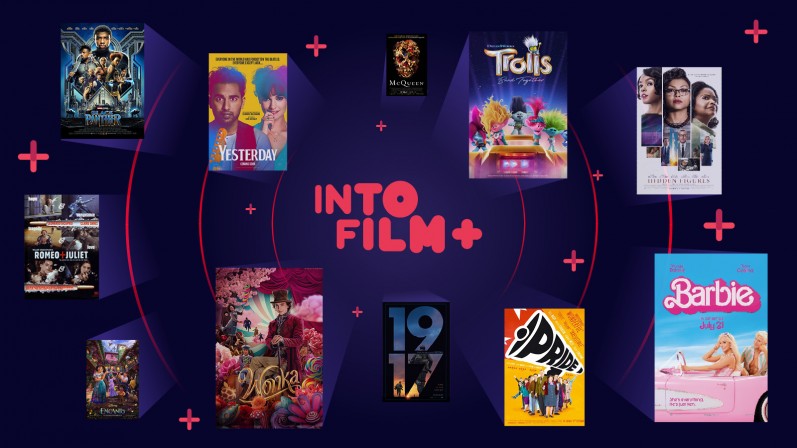
Find out more about our streaming service, designed specifically for UK schools.